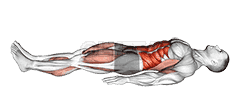
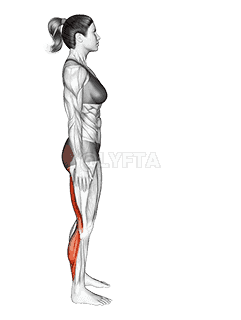
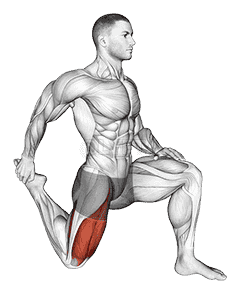
Seated Wide Angle Pose Sequence
Seated Wide Angle Pose Sequence demonstration
_Thighs_small.png&w=3840&q=75)
Performing the: A Step-by-Step Tutorial Seated Wide Angle Pose Sequence
- Inhale deeply and lengthen your spine, ensuring your back is straight.
- As you exhale, slowly lean forward from your hips, keeping your spine elongated and your chest open.
- Continue to lean forward as far as comfortable, ideally until your chest is touching the floor. If this is not possible, just go as far as you can without straining.
- Hold this pose for a few breaths, then slowly sit back up on an inhale, pulling your legs back together to end the sequence.
Tips for Performing Seated Wide Angle Pose Sequence
- Maintain Proper Alignment: When performing the pose, keep your spine long and straight. Avoid rounding your back or hunching your shoulders, as this can lead to tension and discomfort. Instead, think about lifting your chest and lengthening your spine as you fold forward.
- Don't Force the Stretch: One common mistake people make is trying to force their body into the pose. If you can't reach your toes, use a yoga strap or simply rest your hands on your legs. The aim is not to stretch as far as possible, but to feel a gentle stretch in your inner thighs and hamstrings.
- Breathe: Remember to breathe deeply and steadily throughout the pose.
Can beginners do the Seated Wide Angle Pose Sequence?
Yes, beginners can do the Seated Wide Angle Pose Sequence exercise, but they should start slowly and carefully to avoid injury. It's important to listen to your body and not push too hard. Using props such as yoga blocks or straps can also be helpful. If you feel any pain or discomfort, it's best to stop and consult with a yoga instructor or physical therapist. Remember, flexibility and strength will increase over time, so there's no need to rush.
What are common variations of the Seated Wide Angle Pose Sequence?
- The Bound Seated Wide Angle Pose Sequence incorporates a yoga strap or towel around the feet, which can help maintain alignment and increase the stretch in the hamstrings and lower back.
- The Supported Seated Wide Angle Pose Sequence uses blocks or pillows under the knees to reduce strain and make the pose more accessible for beginners or those with tight hamstrings.
- The Revolved Seated Wide Angle Pose Sequence adds a twist to the upper body, promoting spinal mobility and engaging the core muscles.
- The Dynamic Seated Wide Angle Pose Sequence involves rhythmic movement, like gently rocking side to side or forward and back, to increase flexibility and warm up the body.