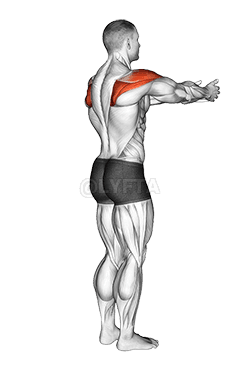
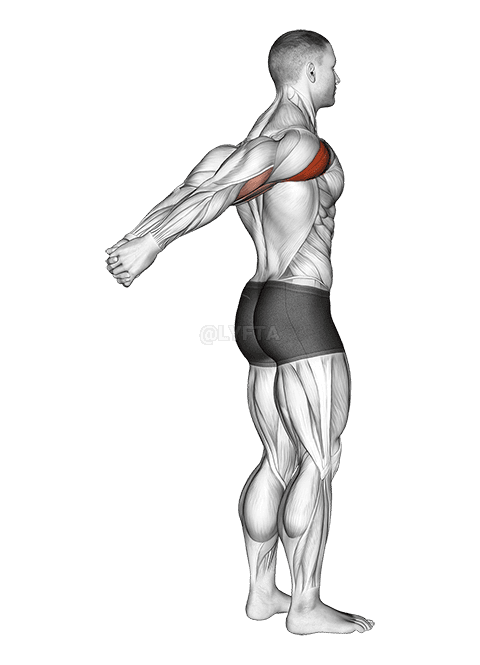
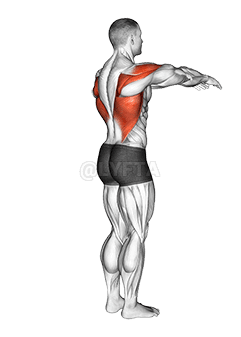
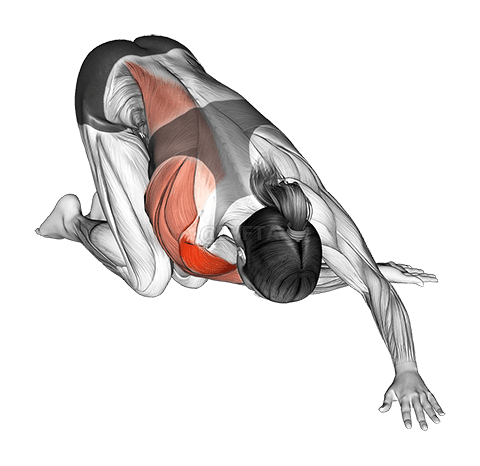
Rotator Cuff
Rotator Cuff demonstration
Watch the demo so setup and tempo are clear before you follow the step-by-step cues.

Performing the: A Step-by-Step Tutorial Rotator Cuff
Work through the cues in order so setup, bracing, and reps stay consistent before you add load.
- Bend your elbows to a 90-degree angle with your palms facing down, and your upper arms parallel to the ground.
- Slowly rotate your forearms upward, keeping your elbows close to your sides, until your palms are facing forward.
- Hold this position for a moment, feeling the tension in your shoulder muscles.
- Gradually lower your arms back to the starting position, repeating this movement for the desired number of repetitions.
Tips for Performing Rotator Cuff
Form reminders that keep range of motion and control in check once the basic pattern feels stable.
- Maintain Correct Posture: One common mistake that people often make is not maintaining the correct posture while performing the exercises. You should keep your spine straight and your shoulders relaxed. Avoid hunching or rounding your shoulders as it can put undue stress on your rotator cuff muscles and lead to injury.
- Start with Light Weights: When you are just starting out with rotator cuff exercises, it's advisable to start with light weights. This is because the rotator cuff muscles are relatively small and can be easily injured if overloaded. Gradually increase the weight as your strength and endurance improve.
- Control Your Movements: Avoid jerky or rapid movements while performing
Can beginners do the Rotator Cuff?
A short framing note on whether this pattern suits newer lifters before you load it heavily.
Yes, beginners can do rotator cuff exercises. It's actually recommended to include them in your routine to strengthen the shoulder muscles and prevent injuries. However, it's important to start with light weights and focus on proper form to avoid straining these muscles. It may be beneficial to learn these exercises under the guidance of a physical therapist or a trained fitness professional initially.
What are common variations of the Rotator Cuff?
Compare these progressions when the main pattern is solid or you need a different stimulus with similar equipment.
- The Infraspinatus is another variation, responsible for the rotation and extension of the shoulder.
- The Teres Minor is a smaller muscle of the rotator cuff, aiding in the outward rotation of the humerus.
- The Subscapularis is the largest rotator cuff muscle, which controls the ability to rotate the arm inward.
- The Teres Major, while not technically part of the rotator cuff, is often associated with it due to its role in shoulder movement and stabilization.
Related Exercises
Similar library demos that share muscle or equipment focus so you can compare form cues and programming options.