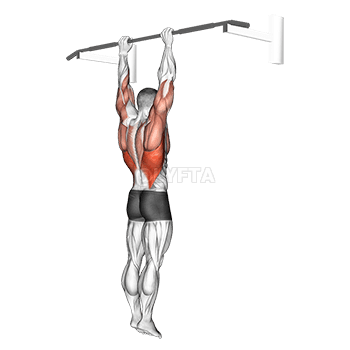
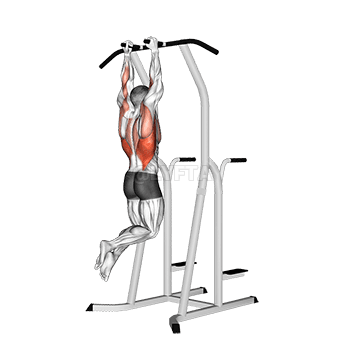
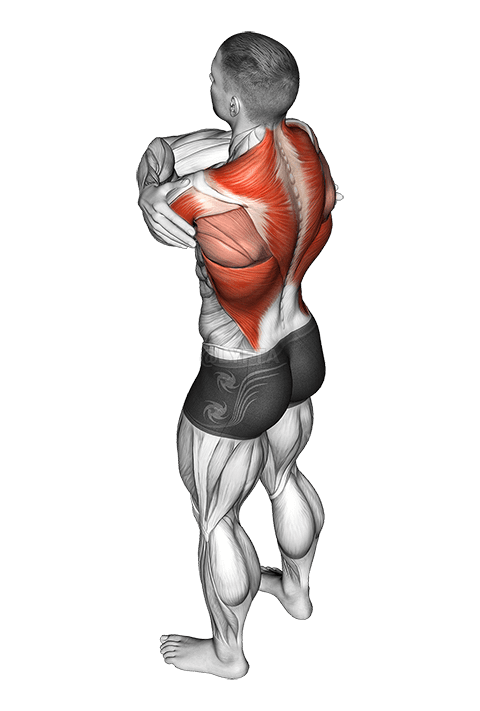
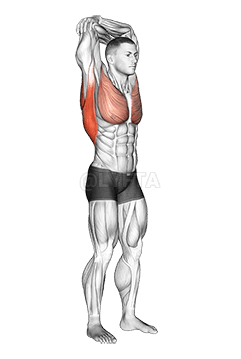
Reverse plank
Reverse plank demonstration
Watch the demo so setup and tempo are clear before you follow the step-by-step cues.
Performing the: A Step-by-Step Tutorial Reverse plank
Work through the cues in order so setup, bracing, and reps stay consistent before you add load.
- Press your palms and heels into the ground and lift your hips up towards the ceiling, trying to form a straight line from your head to your heels.
- Keep your head in a neutral position, looking straight ahead, and ensure your shoulders are down, away from your ears.
- Hold this position for at least 15 to 30 seconds, keeping your core engaged and your body in a straight line.
- Lower yourself back to the starting position slowly and with control to complete one repetition.
Tips for Performing Reverse plank
Form reminders that keep range of motion and control in check once the basic pattern feels stable.
- **Engage Your Core**: As you lift your body off the floor into the reverse plank, it's crucial to engage your core muscles. A common mistake is to let your belly sag or to arch your back excessively, which can lead to back pain. Keep your body in a straight line from your head to your heels.
- **Don't Rush**: Take your time to lift into and lower out of the reverse plank. A common mistake is to rush the movement, which can lead to improper form and potential injury. Focus on slow, controlled movements.
- **Keep Your Neck Neutral**: Avoid straining your neck by keeping it in a neutral
Can beginners do the Reverse plank?
A short framing note on whether this pattern suits newer lifters before you load it heavily.
Yes, beginners can do the Reverse Plank exercise, but it can be challenging as it requires good core strength, shoulder stability, and wrist flexibility. It's important to start slow and focus on maintaining proper form. If it's too difficult, beginners can modify the exercise by bending their knees or doing the exercise with their hands on an elevated surface like a bench. As with any new exercise, it's recommended to consult with a fitness professional to ensure correct form and prevent injury.
What are common variations of the Reverse plank?
Compare these progressions when the main pattern is solid or you need a different stimulus with similar equipment.
- Reverse Plank with Knee Tuck: In this variation, you tuck your knee towards your chest while maintaining the reverse plank position, which enhances core and hip flexibility.
- Reverse Plank with Tricep Dip: This variation combines the reverse plank with a tricep dip, providing a comprehensive upper body workout.
- Reverse Plank on Forearms: Instead of placing your hands directly under your shoulders, this variation has you resting on your forearms, which can be easier on the wrists and requires more core strength.
- Reverse Plank with Single Leg Lift: In this variation, you lift one leg at a time while maintaining the reverse plank position, which challenges your balance and strengthens your core and glutes.
Related Exercises
Similar library demos that share muscle or equipment focus so you can compare form cues and programming options.