Reverse Lunge
Reverse Lunge demonstration
Watch the demo so setup and tempo are clear before you follow the step-by-step cues.
Performing the: A Step-by-Step Tutorial Reverse Lunge
Work through the cues in order so setup, bracing, and reps stay consistent before you add load.
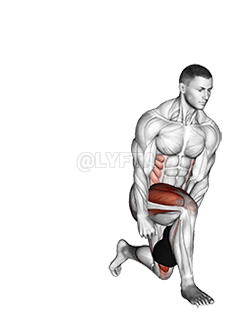
- Take a step backward with your right foot, lowering your body into a lunge position. Your left knee should be directly above your left ankle and your right knee should be hovering just off the floor.
- Maintain a straight posture with your chest up and your gaze straight ahead, ensuring that your back knee is close but not touching the ground.
- Push off your right foot, returning to the starting position.
- Repeat the exercise with your left leg stepping backward, alternating legs for the desired number of repetitions.
Tips for Performing Reverse Lunge
Form reminders that keep range of motion and control in check once the basic pattern feels stable.
- Avoid Leaning Forward: One common mistake many people make when performing reverse lunges is leaning too far forward, which can put unnecessary strain on your back and knees. To avoid this, focus on keeping your torso upright and your weight evenly distributed between both legs.
- Core Engagement: Engage your core throughout the entire movement. This not only helps with balance but also works your abdominal muscles.
- Controlled Movement: Don't rush through the exercise. Instead, perform each lunge with controlled, deliberate movements. This ensures you
Can beginners do the Reverse Lunge?
A short framing note on whether this pattern suits newer lifters before you load it heavily.
Yes, beginners can definitely do the Reverse Lunge exercise. It's a great exercise to build lower body strength and stability. However, it's important to start with a lighter weight or even no weight at all, focusing on form and balance. As they become more comfortable with the movement, they can gradually add more weight. Always remember to warm up before exercising and cool down afterwards to prevent injuries.
What are common variations of the Reverse Lunge?
Compare these progressions when the main pattern is solid or you need a different stimulus with similar equipment.
- Reverse Lunge with Overhead Press: This version adds an overhead press to the lunge, increasing the intensity and working the shoulders and arms.
- Reverse Lunge with Twist: In this variation, you add a twist to the torso when you step back into the lunge, which can help improve balance and engage your core muscles.
- Reverse Lunge with Knee Lift: This version adds a knee lift when you return to the standing position, increasing the challenge and working your core and balance.
- Reverse Lunge with Dumbbells: This variation involves holding dumbbells in each hand while performing the lunge, adding resistance and working your arms and upper body.
Related Exercises
Similar library demos that share muscle or equipment focus so you can compare form cues and programming options.