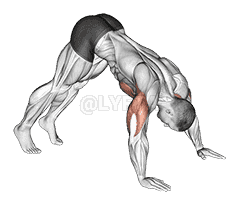
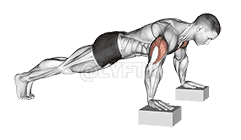
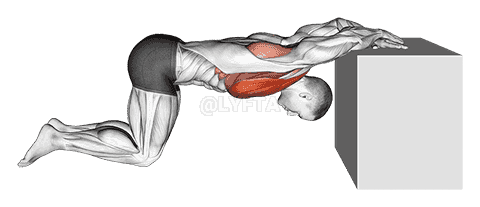
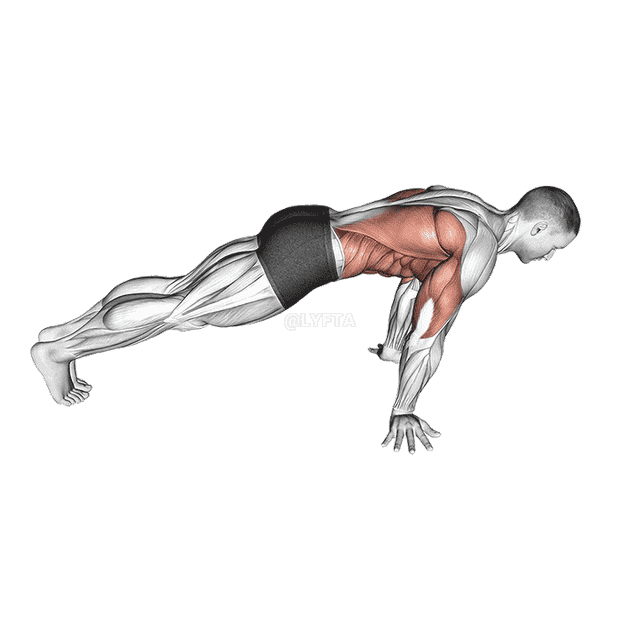
Reverse Chest Stretch
Reverse Chest Stretch demonstration
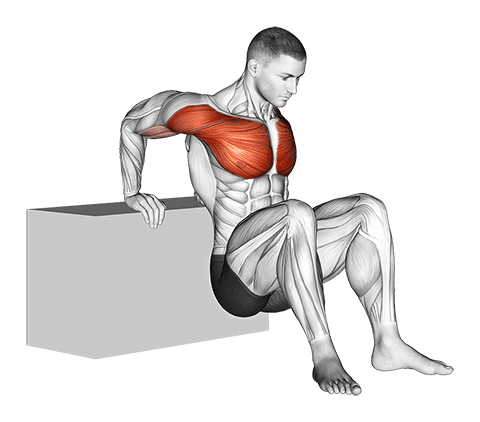
Performing the: A Step-by-Step Tutorial Reverse Chest Stretch
- Slowly raise your arms behind you as high as comfortably possible, keeping your hands clasped together and your arms straight.
- As you raise your arms, push your chest out and up, while keeping your head neutral and eyes facing forward.
- Hold this position for about 15-30 seconds, feeling the stretch in your chest and shoulders.
- Slowly lower your arms and unclasp your hands, then repeat the exercise as desired.
Tips for Performing Reverse Chest Stretch
- Keep Your Arms Straight: When performing the reverse chest stretch, keep your arms straight and clasp your hands behind your back. Bending your arms can put unnecessary strain on your elbows and wrists, and it may also reduce the effectiveness of the stretch.
- Don't Overstretch: A common mistake is to overstretch, which can lead to muscle strain or injury. Stretch to the point where you feel a gentle pull in your chest and shoulders, but not to the point of pain.
- Use Controlled Movements: Avoid jerky or rapid movements. Instead, use slow, controlled movements to gradually increase the stretch. This helps to prevent muscle strain and ensures that you're stretching effectively.
- Britain
Can beginners do the Reverse Chest Stretch?
Yes, beginners can do the Reverse Chest Stretch exercise. It's a simple and effective way to stretch the chest muscles and improve posture. However, like with any exercise, it's important to use proper form and technique to avoid injury. If you're new to exercise, you may want to have a trainer or fitness professional guide you to ensure you're doing the exercise correctly.
What are common variations of the Reverse Chest Stretch?
- Doorway Chest Stretch: For this version, you stand in a doorway with your arms placed on the door frame, then lean forward until you feel a stretch in your chest and shoulders.
- Seated Chest Stretch: This involves sitting on a chair, placing your hands on the back of the chair, and then pushing your chest forward and up to open and stretch it.
- Ball Chest Stretch: This variation requires an exercise ball. You lie face up on the ball with your arms extended out to the sides, allowing gravity to stretch your chest muscles.
- Floor Chest Stretch: In this version, you lie flat on your stomach on the floor, extend one arm out to the side, and then use your other hand to push your body in the opposite direction to stretch the chest.