Quarter Sit-up
Quarter Sit-up demonstration
Watch the demo so setup and tempo are clear before you follow the step-by-step cues.
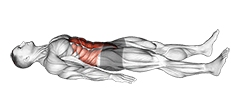
Performing the: A Step-by-Step Tutorial Quarter Sit-up
Work through the cues in order so setup, bracing, and reps stay consistent before you add load.
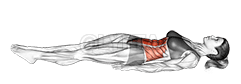
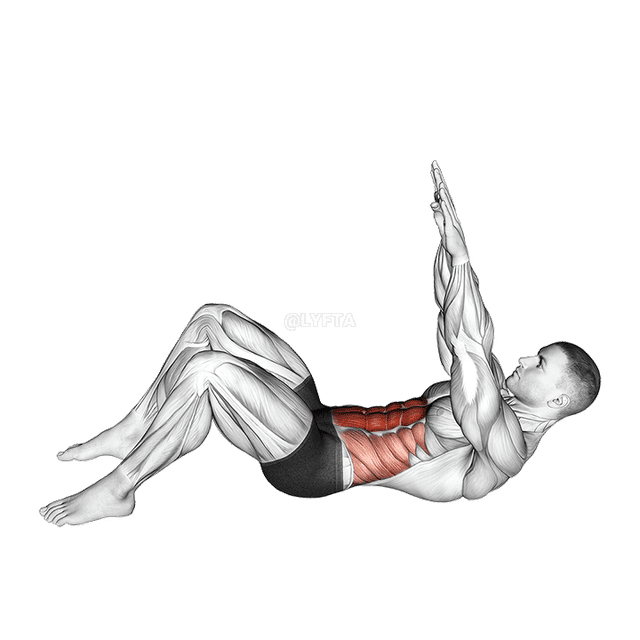
- Place your hands behind your head or crossed on your chest.
- Slowly raise your upper body towards your knees, only lifting your shoulders and upper back off the ground. This is the "quarter" part of the sit-up.
- Hold this position for a few seconds, engaging your abdominal muscles.
- Slowly lower yourself back to the starting position. Repeat this process for your desired number of repetitions.
Tips for Performing Quarter Sit-up
Form reminders that keep range of motion and control in check once the basic pattern feels stable.
- Controlled Movements: The biggest mistake people often make is using momentum to pull themselves up. This can result in neck strain and reduces the effectiveness of the exercise. Instead, focus on using your abdominal muscles to lift your upper body off the floor.
- Range of Motion: A common misconception is that you need to sit all the way up for the exercise to be effective. However, for a quarter sit-up, you only need to raise your upper body about a quarter of the way up. Overdoing the sit-up can put unnecessary strain on your back.
- Breathing Technique: Another mistake is holding your breath during the exercise. Instead, inhale as you lower your body and exhale as you lift. Proper breathing
Can beginners do the Quarter Sit-up?
A short framing note on whether this pattern suits newer lifters before you load it heavily.
Yes, beginners can definitely do the Quarter Sit-up exercise. It's a great way to start building core strength. However, it's important to ensure correct form to avoid any potential injuries. It may be beneficial to have a personal trainer or fitness professional demonstrate the exercise first. As with any exercise, beginners should start slow and gradually increase the intensity as their strength improves.
What are common variations of the Quarter Sit-up?
Compare these progressions when the main pattern is solid or you need a different stimulus with similar equipment.
- The Butterfly Sit-up: In this variation, you perform the sit-up with the soles of your feet together and knees spread apart, which targets different muscles in your core.
- The Medicine Ball Sit-up: This involves holding a medicine ball in your hands while performing the sit-up, adding extra weight and resistance to the movement.
- The V-Sit-up: This is a more advanced variation, where you simultaneously lift your upper and lower body off the ground, forming a 'V' shape at the top of the movement.
- The Russian Twist Sit-up: This involves performing a sit-up, but at the top of the movement, you twist your torso to one side, then the other, targeting the obliques as well as the main abdominal muscles.
Related Exercises
Similar library demos that share muscle or equipment focus so you can compare form cues and programming options.