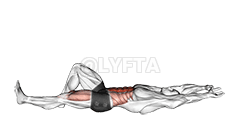
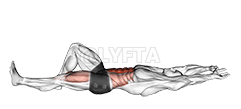
Pulse-up
Pulse-up demonstration
Watch the demo so setup and tempo are clear before you follow the step-by-step cues.
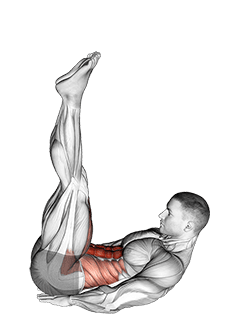
Performing the: A Step-by-Step Tutorial Pulse-up
Work through the cues in order so setup, bracing, and reps stay consistent before you add load.
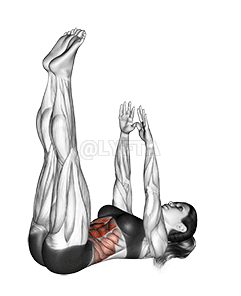
- Lift both legs straight up towards the ceiling so they're perpendicular to your body, keeping them together and fully extended.
- Engage your core muscles and lift your hips off the floor in a small, controlled movement, pushing your feet up towards the ceiling.
- Lower your hips back down to just above the floor, keeping your legs and core engaged.
- Repeat these steps for the desired number of repetitions, ensuring to maintain control and precision throughout the movement.
Tips for Performing Pulse-up
Form reminders that keep range of motion and control in check once the basic pattern feels stable.
- Engage Your Core: The pulse-up is a core exercise, so it is crucial to engage your core muscles throughout the entire movement. This means you should be pulling your belly button towards your spine, and keeping your abs contracted. A common mistake is to rely too much on the momentum or to use the lower back or neck to perform the movement, which can lead to injuries.
- Control Your Movement: Pulse-ups should be performed in a controlled manner. This means you should be lifting and lowering your hips slowly, without any jerky movements. A common mistake is to rush through the
Can beginners do the Pulse-up?
A short framing note on whether this pattern suits newer lifters before you load it heavily.
Yes, beginners can do the Pulse-up exercise. However, it's important to note that this exercise primarily targets the lower abdominal muscles and can be a bit challenging for those who are new to fitness or have weak core muscles. It's crucial to start slow, maintain proper form, and gradually increase repetitions as strength and endurance improve. If any discomfort or pain is experienced, it's recommended to stop the exercise and consult with a fitness professional or physical therapist.
What are common variations of the Pulse-up?
Compare these progressions when the main pattern is solid or you need a different stimulus with similar equipment.
- Weighted Pulse-Up: For this variation, hold a light dumbbell between your feet while performing the pulse-up to add resistance and challenge your lower abs and hip flexors.
- Reverse Pulse-Up: Instead of lifting your hips off the ground, you lift your upper back while keeping your legs straight in the air, which targets the upper abs.
- Pulse-Up with a Twist: This variation involves twisting your hips to one side at the top of the pulse-up to engage the obliques and add a rotational component to the exercise.
- Stability Ball Pulse-Up: Performing pulse-ups with your legs on a stability ball adds an element of balance and stability, making your core work harder to control the movement.
Related Exercises
Similar library demos that share muscle or equipment focus so you can compare form cues and programming options.