Prisoner Half Sit-up
Prisoner Half Sit-up demonstration
_small.png&w=3840&q=75)
Performing the: A Step-by-Step Tutorial Prisoner Half Sit-up
- Place your hands behind your head, as if you were a prisoner, with your elbows out to the sides.
- Slowly lift your upper body off the ground, using your abdominal muscles, until you are about halfway to your knees.
- Hold this position for a moment, making sure to keep your core engaged and your back straight.
- Slowly lower your body back down to the starting position, maintaining control throughout the movement to complete one repetition.
Tips for Performing Prisoner Half Sit-up
- Controlled Movement: A common mistake is to jerk or use momentum to sit up. Instead, make sure your movements are slow and controlled. Engage your core and lift your upper body towards your knees. Your elbows should remain wide and you should keep your neck relaxed to avoid strain.
- Halfway Up Only: Unlike traditional sit-ups, the Prisoner Half Sit-up only requires you to lift your body halfway up. This helps to maintain tension in the abdominal muscles throughout the exercise. Avoid the mistake of going all the way up as this could lead to back strain and reduces the effectiveness of the workout on the abs.
- Breathing: Breathe out as
Can beginners do the Prisoner Half Sit-up?
Yes, beginners can do the Prisoner Half Sit-up exercise. However, it's important to start slow and focus on form to prevent any potential injuries. Also, it's recommended to seek advice from a fitness professional to ensure the exercise is being done correctly. As with any new exercise, beginners should listen to their body and stop if they feel any discomfort.
What are common variations of the Prisoner Half Sit-up?
- The V-up: Instead of bringing your torso to your knees, you extend your legs and arms straight out and bring them together in a V shape, challenging your lower abs and hip flexors.
- The Bicycle Crunch: This adds a rotational element as you bring opposite knee to elbow, working the obliques, lower abs, and hip flexors.
- The Reverse Crunch: Instead of lifting your torso, you lift your hips off the ground, focusing on the lower abs.
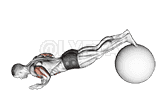
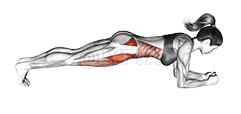
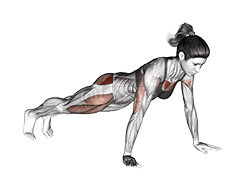
- The Plank to Pike: This variation uses a full body movement, starting in a plank position and then lifting your hips into a pike position, engaging the whole core and improving balance.