Lever Reverse Hyperextension
Lever Reverse Hyperextension demonstration
Watch the demo so setup and tempo are clear before you follow the step-by-step cues.
Performing the: A Step-by-Step Tutorial Lever Reverse Hyperextension
Work through the cues in order so setup, bracing, and reps stay consistent before you add load.
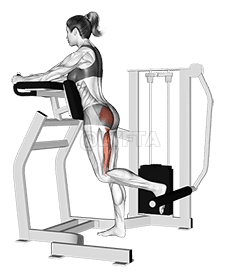
- Secure your feet under the foot pads and hold onto the handles to keep your upper body stable throughout the exercise.
- Begin the exercise by contracting your glutes and hamstrings to lift your legs up until they are in line with your body.
- Hold this position for a moment, feeling the contraction in your lower back, glutes, and hamstrings.
- Slowly lower your legs back down to the starting position, ensuring you maintain control throughout the movement. Repeat the exercise for the desired number of repetitions.
Tips for Performing Lever Reverse Hyperextension
Form reminders that keep range of motion and control in check once the basic pattern feels stable.
- Controlled Movement: Avoid swinging or using momentum to lift your legs. This can lead to back strain or injury. Instead, use controlled, slow movements. Lift your legs using your glutes and hamstrings, hold for a second at the top of the movement, then slowly lower back down.
- Keep Your Core Engaged: It's important to keep your core engaged throughout the exercise to protect your lower back. Avoid arching your back excessively as this can lead to injury.
- Full Range of Motion: To get the most out of the Lever Reverse Hyperextension, make sure you're using a full range of motion. This means lifting your legs as high as you can while maintaining control, then lowering them until they're parallel
Can beginners do the Lever Reverse Hyperextension?
A short framing note on whether this pattern suits newer lifters before you load it heavily.
Yes, beginners can do the Lever Reverse Hyperextension exercise, but they should start with a lighter weight or even just their body weight to ensure they are using proper form and not straining their lower back. It's also recommended to have a trainer or experienced gym-goer supervise or guide a beginner through the exercise to prevent any potential injuries.
What are common variations of the Lever Reverse Hyperextension?
Compare these progressions when the main pattern is solid or you need a different stimulus with similar equipment.
- The Incline Bench Reverse Hyperextension is another variation where you lie face down on an incline bench, providing a different angle for the exercise.
- The Cable Reverse Hyperextension uses a cable machine, allowing you to adjust the resistance level to fit your strength and fitness level.
- The Band-Assisted Reverse Hyperextension involves using a resistance band, providing a different type of tension throughout the movement.
- The Floor Reverse Hyperextension is a bodyweight version of the exercise that can be done without any equipment, making it accessible for home workouts.
Related Exercises
Similar library demos that share muscle or equipment focus so you can compare form cues and programming options.