Lever Lateral Raise
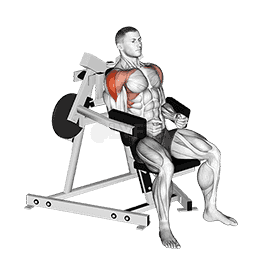
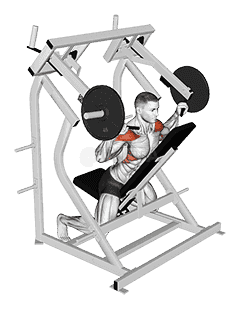
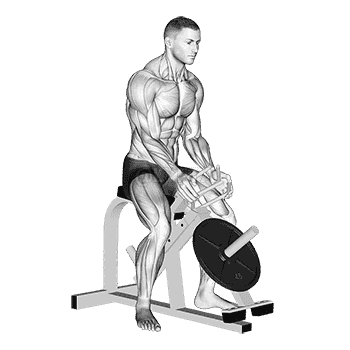
Lever Lateral Raise demonstration
_Shoulders_small.png&w=3840&q=75)
Performing the: A Step-by-Step Tutorial Lever Lateral Raise
- Keep your body straight, feet shoulder-width apart, and your other hand on your hip for balance.
- Slowly lift the lever out to your side, keeping your arm straight, until it's at shoulder level.
- Pause for a moment at the top of the movement to really engage your shoulder muscles.
- Gradually lower the lever back to the starting position, ensuring to maintain control throughout the movement. Repeat this process for the desired number of repetitions.
Tips for Performing Lever Lateral Raise
- **Maintain Proper Form**: Your body should remain stationary throughout the exercise. Avoid swinging or using your body momentum to lift the weights. Instead, focus on using your shoulder muscles to lift and lower the lever. Your arms should be slightly bent at the elbows, and the movement should be slow and controlled.
- **Avoid Raising Too High**: When performing the Lever Lateral Raise, avoid raising your arms above shoulder level. Lifting the lever too high can put unnecessary strain on your shoulder joints and potentially lead to injury.
- **Controlled Movements**: Make sure to lower the weights in a slow and controlled manner. Dropping the weights quickly not only reduces the
Can beginners do the Lever Lateral Raise?
Yes, beginners can definitely do the Lever Lateral Raise exercise. However, it's important to start with a lower weight to ensure correct form and prevent injury. It's also beneficial to have a trainer or experienced individual present for guidance. This exercise primarily targets the shoulders, specifically the lateral or "side" deltoids. As with any exercise, it's crucial to warm up properly before starting and to increase weight gradually as strength improves.
What are common variations of the Lever Lateral Raise?
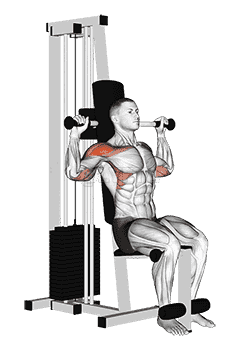
- Cable Lateral Raise: In this variation, you use a cable machine which can provide a more consistent resistance throughout the entire range of motion.
- Seated Lateral Raise: This variation is performed while sitting down, which can help isolate the shoulder muscles and prevent the use of momentum.
- Bent Over Lateral Raise: This variation targets the rear deltoids, as you are bent over at the waist while performing the exercise.
- One-Arm Lateral Raise: This variation is performed one arm at a time, allowing you to focus on each shoulder individually and potentially identify and correct any imbalances.