Kettlebell Full Swing
Kettlebell Full Swing demonstration
Watch the demo so setup and tempo are clear before you follow the step-by-step cues.
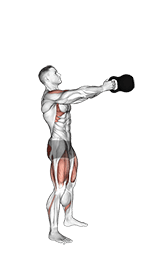
Performing the: A Step-by-Step Tutorial Kettlebell Full Swing
Work through the cues in order so setup, bracing, and reps stay consistent before you add load.
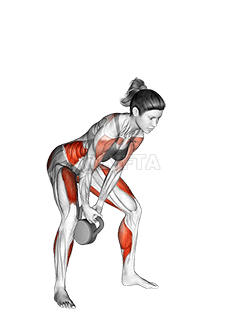
- Bend at your hips and grasp the kettlebell with both hands, keeping your arms straight.
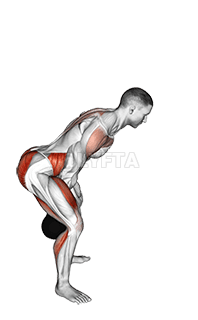
- Swing the kettlebell back between your legs, then immediately drive your hips forward and swing the kettlebell up to chest level, keeping your arms straight and your core engaged.
- Allow the kettlebell to swing back down between your legs, maintaining the hinge at your hips.
- Repeat this swinging motion, using the momentum from your hip thrusts, not your arms, to move the kettlebell.
Tips for Performing Kettlebell Full Swing
Form reminders that keep range of motion and control in check once the basic pattern feels stable.
- **Use Your Hips, Not Your Arms:** A common mistake is using the arms to lift the kettlebell. The power should come from your hips and glutes. Think of the movement as a hip hinge: push your hips back, bend your knees slightly, and then forcefully drive your hips forward to swing the kettlebell up. Your arms should just guide the kettlebell; they shouldn't be doing the heavy lifting.
- **Control the Swing:** Avoid swinging the kettlebell too high. The kettlebell should not go above your shoulders. Swinging it too high can cause you to
Can beginners do the Kettlebell Full Swing?
A short framing note on whether this pattern suits newer lifters before you load it heavily.
Yes, beginners can do the Kettlebell Full Swing exercise, but it is important to start with a lower weight and focus on proper form to avoid injury. It is also recommended to learn the movement from a certified trainer or coach to ensure correct technique. As you build strength and get comfortable with the movement, you can gradually increase the weight of the kettlebell.
What are common variations of the Kettlebell Full Swing?
Compare these progressions when the main pattern is solid or you need a different stimulus with similar equipment.
- Kettlebell One-Arm Swing: This variation involves swinging the kettlebell using only one arm at a time, which can help to improve balance and core strength.
- Kettlebell High Pull Swing: This variation includes a high pull at the top of the swing, engaging the shoulders and upper back more.
- Kettlebell Swing and Squat: This variation combines a traditional kettlebell swing with a squat at the bottom of the movement, increasing leg engagement.
- Kettlebell Alternating Swing: This variation involves switching the kettlebell from one hand to the other at the top of the swing, improving coordination and agility.
Related Exercises
Similar library demos that share muscle or equipment focus so you can compare form cues and programming options.