Jumping Pull-up
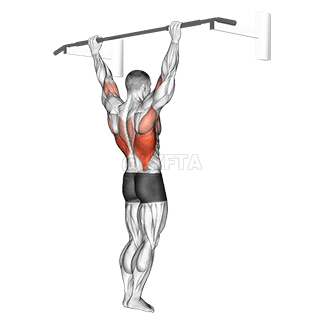
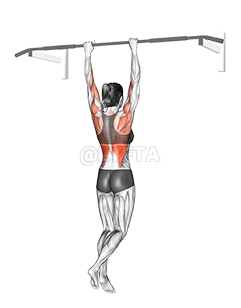
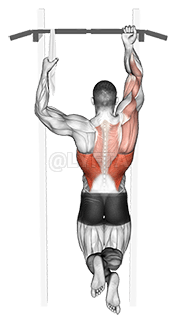
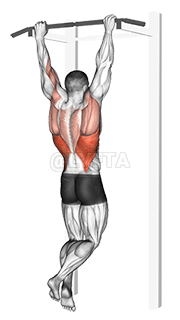
Jumping Pull-up demonstration
Watch the demo so setup and tempo are clear before you follow the step-by-step cues.
Performing the: A Step-by-Step Tutorial Jumping Pull-up
Work through the cues in order so setup, bracing, and reps stay consistent before you add load.
- Jump up and grasp the bar with both hands, your palms facing away from you, and your hands shoulder-width apart.
- Use the momentum from your jump to pull your body up until your chin is above the bar.
- Hold the position for a second, then slowly lower yourself back down to the ground.
- Repeat the exercise for the desired number of repetitions, ensuring to maintain good form throughout.
Tips for Performing Jumping Pull-up
Form reminders that keep range of motion and control in check once the basic pattern feels stable.
- Controlled Movements: A common mistake people make when performing jumping pull-ups is rushing through the exercise. This can lead to poor form and possible injury. Instead, focus on controlled, deliberate movements. Jump up, pull your body up, then lower yourself back down in a controlled manner.
- Full Range of Motion: To get the most out of the exercise, make sure you are using a full range of motion. This means extending your arms fully at the bottom of the movement and pulling yourself up until your chin is over the bar at the top. Avoid half reps where you don't fully
Can beginners do the Jumping Pull-up?
A short framing note on whether this pattern suits newer lifters before you load it heavily.
Yes, beginners can certainly do the Jumping Pull-up exercise. It's actually a great way to build strength and work towards doing regular pull-ups. This exercise uses momentum to help lift the body, which can make it easier for those who are new to pull-ups. However, it's important to ensure proper form to avoid injury. Beginners should start slow, with lower reps, and gradually increase as their strength improves. It's also a good idea to have a trainer or experienced person guide you initially.
What are common variations of the Jumping Pull-up?
Compare these progressions when the main pattern is solid or you need a different stimulus with similar equipment.
- Negative Pull-up: In this variation, you start in the top position (chin above the bar) and focus on the lowering phase, jumping or stepping up to get to the starting position if needed.
- Band Assisted Pull-up: This involves using a resistance band for assistance, where the band is looped over the pull-up bar and you place your feet or knees in the loop.
- Inverted Row Pull-up: This is performed on a Smith machine or a barbell set on a rack at waist height, where you pull yourself up from a position directly underneath the bar.
- Mixed Grip Pull-up: This variation involves using a mixed grip (one hand overhand, one hand underhand) which can help to distribute the load differently across your muscles and potentially make the pull
Related Exercises
Similar library demos that share muscle or equipment focus so you can compare form cues and programming options.