Jump Box
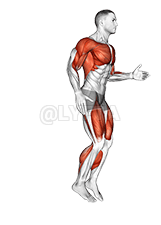
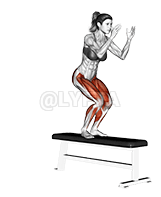
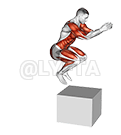
Jump Box demonstration
Watch the demo so setup and tempo are clear before you follow the step-by-step cues.
Performing the: A Step-by-Step Tutorial Jump Box
Work through the cues in order so setup, bracing, and reps stay consistent before you add load.
- Bend your knees and push your hips back while swinging your arms behind you, preparing to jump.
- Using your whole foot, not just your toes, powerfully push off the ground, swinging your arms forward and propelling your body onto the box.
- Try to land softly and quietly with your knees slightly bent, absorbing the impact.
- Stand up straight, then step back down to the starting position and prepare for the next jump.
Tips for Performing Jump Box
Form reminders that keep range of motion and control in check once the basic pattern feels stable.
- Correct Form: The most common mistake is jumping with improper form. Make sure your feet are shoulder-width apart when you jump, and land softly on the box. Your knees should be slightly bent to absorb the impact. Avoid locking your knees as this can lead to injury.
- Use Arms: Use your arms to generate momentum. Swing them forward as you jump and pull them back as you land. This not only helps you jump higher but also maintains your balance.
- Step Down, Don't Jump: Another common mistake is jumping back down from the box. This can put unnecessary strain on your knees and ankles. It's safer to step down one foot at a time.
- Progress Gradually: Start with a low box and gradually
Can beginners do the Jump Box?
A short framing note on whether this pattern suits newer lifters before you load it heavily.
Yes, beginners can do the Jump Box exercise, but they should start with a lower-height box to ensure safety and proper form. It's also recommended to have a trainer or experienced individual supervise to ensure the exercise is done correctly. As strength and confidence increase, the height of the box can be gradually increased.
What are common variations of the Jump Box?
Compare these progressions when the main pattern is solid or you need a different stimulus with similar equipment.
- The Adjustable Jump Box is another version that allows you to change the height according to your fitness level and the intensity of your workout.
- The Foam Jump Box is a safer alternative, designed to minimize the risk of injury during high-intensity workouts.
- The Metal Jump Box is a durable variation, typically used in commercial gyms due to its robust structure and long lifespan.
- The Wooden Jump Box is a traditional version, often used in home gyms due to its affordability and ease of assembly.
Related Exercises
Similar library demos that share muscle or equipment focus so you can compare form cues and programming options.