Jack Plank
Jack Plank demonstration
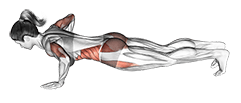
Performing the: A Step-by-Step Tutorial Jack Plank
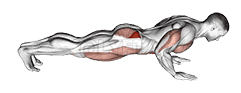
- Start in a traditional plank position with your shoulders directly over your hands or elbows, your body in one straight line, and your feet together.
- Just like the motion of a jumping jack, jump your legs wide and then back together.
- Jump as quickly as you want, but keep your pelvis steady and don't let your booty rise toward the ceiling.
- Do as many as you can for 30 to 60 seconds.
Tips for Performing Jack Plank
- Controlled Movements: A common mistake people often make is rushing through the exercise. While it's a dynamic move, it's essential to perform each part of the exercise with control. This will not only prevent injury but also ensure that you're working the correct muscles.
- Avoid Dropping Your Hips: Another common error is letting the hips sag or pike up during the exercise. Keep your body in a straight line throughout the entire movement. If you find your hips sagging, it might be a sign that your core is not
Can beginners do the Jack Plank?
Yes, beginners can do the Jack Plank exercise, but it's important to start slowly and focus on maintaining proper form to avoid injury. It's a more advanced variation of the traditional plank exercise, so it's recommended to master the basic plank first. If they find it too challenging, they can modify the exercise until they build up their strength and endurance. It's always a good idea to consult with a fitness professional or physical therapist to ensure exercises are being performed correctly and safely.
What are common variations of the Jack Plank?
- The elevated Jack Plank is another variation where you elevate your feet on a step or bench to increase the challenge.
- The single-leg Jack Plank is a challenging variation where you lift one leg off the ground while performing the exercise.
- The Jack Plank with shoulder tap is a variation that adds an upper body component to the exercise by tapping your shoulder with the opposite hand.
- The Jack Plank with knee tuck is a dynamic variation where you bring your knee towards your chest during the exercise.