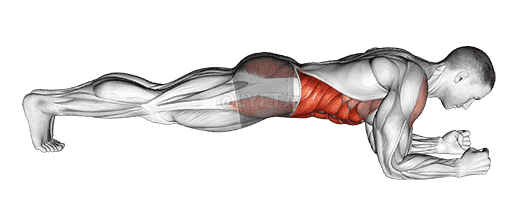
Hip Raise Bridge
Hip Raise Bridge demonstration
Performing the: A Step-by-Step Tutorial Hip Raise Bridge
- Place your arms at your sides with your palms facing down for stability.
- Slowly lift your hips off the floor by squeezing your glutes, keeping your back straight and pushing through your heels, until your body forms a straight line from your shoulders to your knees.
- Hold this position for a few seconds, keeping your core engaged and your hips lifted.
- Gradually lower your hips back down to the starting position, ensuring that you do not just drop your hips, but control the movement. Repeat this process for your desired number of repetitions.
Tips for Performing Hip Raise Bridge
- **Avoid Arching Your Back**: A common mistake is arching the back during the exercise which can cause lower back strain. Instead, focus on keeping your spine in a neutral position throughout the movement. Engage your core muscles to help maintain this alignment.
- **Controlled Movement**: Don't rush the exercise. Lift your hips off the floor slowly and lower them back down with control. This will help to engage the right muscles and prevent injury.
- **Full Hip Extension**: To get the most out of the exercise, ensure that you lift your hips until they are in line with your knees and shoulders. This full extension is where the maximum glute activation occurs. Avoid the common mistake
Can beginners do the Hip Raise Bridge?
Yes, beginners can definitely do the Hip Raise Bridge exercise. It's a simple exercise that targets the glutes, lower back, and abdominal muscles. However, it's important to start with a lower number of repetitions and gradually increase as strength and endurance improve. As with any exercise, correct form is crucial to prevent injury, so beginners may want to have their form checked by a fitness professional.
What are common variations of the Hip Raise Bridge?
- Hip Raise Bridge with Resistance Band: By adding a resistance band around the thighs, this variation adds an extra challenge to the glutes and thighs.
- Hip Raise Bridge on Stability Ball: Performing a hip raise bridge with your feet on a stability ball adds an element of instability, which can help to engage your core and improve balance.
- Hip Raise Bridge with Weight: Placing a weight on your hips during the exercise can increase the intensity and provide a greater challenge for the glutes and hamstrings.
- Elevated Hip Raise Bridge: This variation involves placing your feet on an elevated surface, such as a bench or step, which increases the range of motion and targets the glutes and hamstrings more intensely.