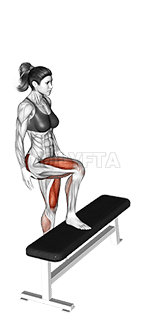
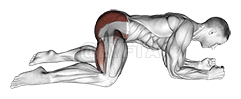
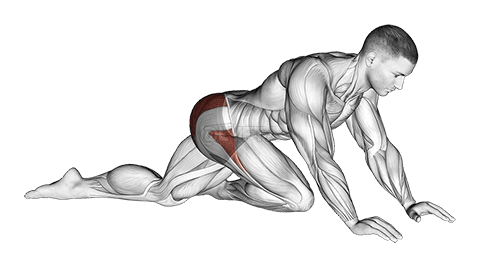
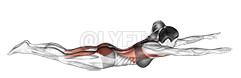
Hip - Abduction - Articulations
Hip - Abduction - Articulations demonstration
Watch the demo so setup and tempo are clear before you follow the step-by-step cues.
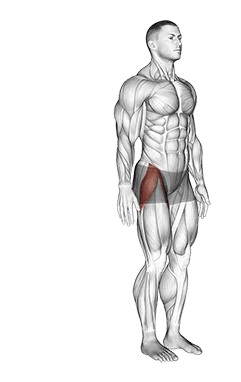
Performing the: A Step-by-Step Tutorial Hip - Abduction - Articulations
Work through the cues in order so setup, bracing, and reps stay consistent before you add load.
- Shift your body weight to your left foot, ensuring your balance is stable.
- Slowly lift your right leg to the side, keeping it straight and not allowing your body to lean to the left.
- Hold the position for a few seconds, feeling the stretch in your hip and thigh.
- Slowly lower your right leg back to the starting position and repeat the exercise with your left leg.
Tips for Performing Hip - Abduction - Articulations
Form reminders that keep range of motion and control in check once the basic pattern feels stable.
- Controlled Movements: When performing this exercise, make sure to use slow and controlled movements. This will help to engage your muscles properly and reduce the risk of injury. Avoid swinging your leg or using momentum to lift your leg, as this can lead to muscle strain or other injuries.
- Keep Hips Aligned: A common mistake to avoid is rotating the hips or leaning to one side during the exercise. Try to keep your hips aligned and facing forward. This ensures that the focus of the exercise is on the hip abductors and not other muscles.
- Gradual Increase in Resistance: If you're using resistance bands or weights, start with a lower resistance and gradually
Can beginners do the Hip - Abduction - Articulations?
A short framing note on whether this pattern suits newer lifters before you load it heavily.
Yes, beginners can certainly do the Hip - Abduction - Articulations exercise. However, it's important to start with a light weight or even no weight at all, focusing on mastering the correct form and technique. It's also recommended to have a fitness professional or physical therapist guide you through the exercise initially to ensure you're doing it correctly and safely. This exercise is beneficial for strengthening the hip abductor muscles, which are crucial for maintaining balance and stability while walking or running.
What are common variations of the Hip - Abduction - Articulations?
Compare these progressions when the main pattern is solid or you need a different stimulus with similar equipment.
- Another variation is the Lateral Band Walk, where you use a resistance band around your ankles and take steps sideways.
- The Side-Lying Hip Abduction is performed lying on your side and lifting your top leg upwards while keeping it straight.
- The Cable Hip Abduction involves the use of a cable machine to provide resistance as you move your leg away from your body.
- Lastly, the Seated Hip Abduction is done on a machine at the gym where you sit and push your legs outwards against resistance.
Related Exercises
Similar library demos that share muscle or equipment focus so you can compare form cues and programming options.