Groin Crunch
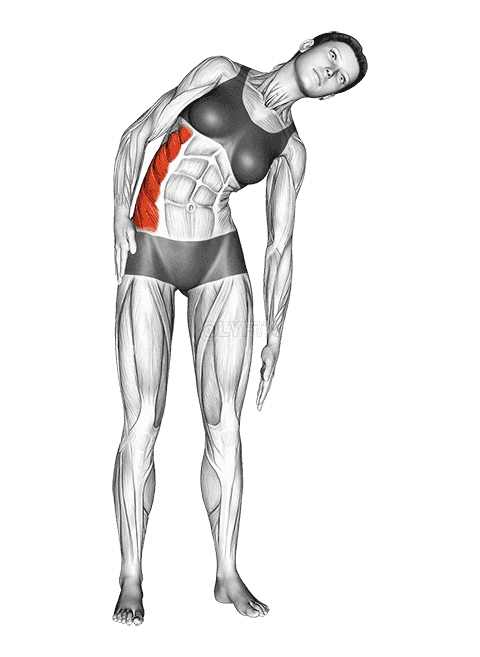
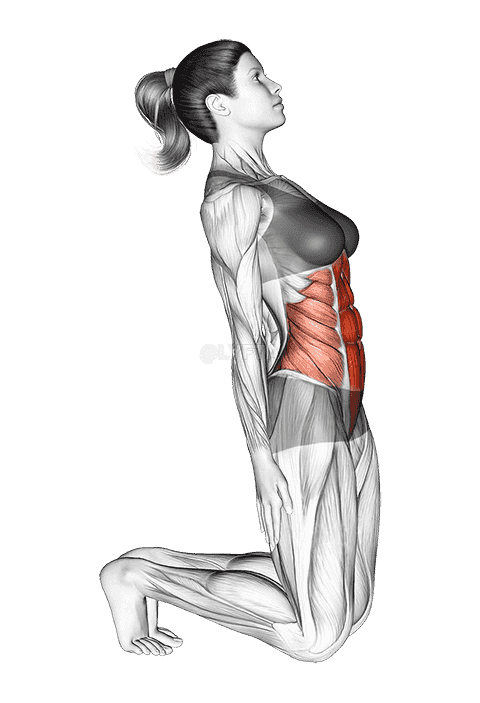
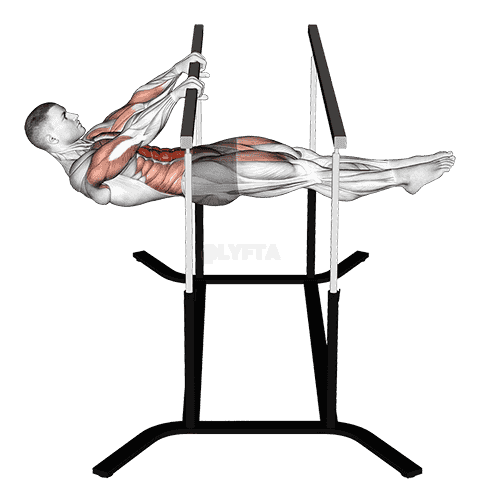
Groin Crunch demonstration
_Waist_small.png&w=3840&q=75)
Tips for Performing Groin Crunch
- Correct Movement: The key to a groin crunch is to bring your knees together and squeeze your inner thighs. Avoid the common mistake of using your hands or arms to pull your knees together. This not only reduces the effectiveness of the exercise but can also lead to injury.
- Controlled Motion: Perform the exercise in a slow and controlled manner. Rushing through the movement or using momentum to bring your knees together can lead to improper form and potential injury. Instead, focus on engaging your inner thigh muscles throughout the entire movement.
- Breathing: Don't hold your breath during the exercise. It's important to breathe out as you bring your knees together and breathe in as you release. Holding your breath can cause a spike
Can beginners do the Groin Crunch?
Yes, beginners can do the Groin Crunch exercise. However, they should start with a lower intensity and gradually increase as they build strength and flexibility. It's also important to maintain proper form to avoid injury. If they are unsure about how to perform this exercise, they should seek guidance from a fitness professional.
What are common variations of the Groin Crunch?
- The Reverse Crunch is another variation where you lay flat on your back, lift your hips off the floor and crunch your knees inward towards your chest.
- The Bicycle Crunch is a dynamic variation that not only targets the groin but also engages the obliques, where you alternate bringing each knee towards the opposite elbow in a cycling motion.
- The Vertical Leg Crunch is a more challenging version where you raise your legs straight up towards the ceiling and crunch upwards, targeting the lower abs and groin.
- The Flutter Kick is a lower intensity variation where you lay flat and alternately raise and lower your legs in a scissor-like motion, engaging the groin and lower abs.