Forearm Pronator Stretch
Forearm Pronator Stretch demonstration
Watch the demo so setup and tempo are clear before you follow the step-by-step cues.
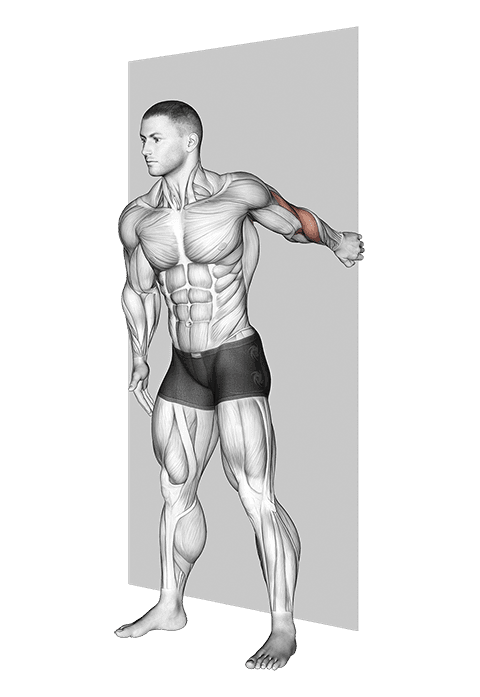
Performing the: A Step-by-Step Tutorial Forearm Pronator Stretch
Work through the cues in order so setup, bracing, and reps stay consistent before you add load.
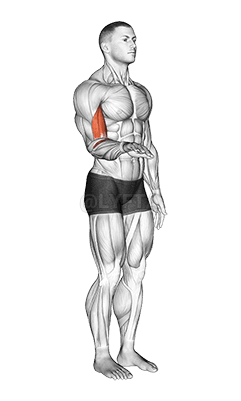
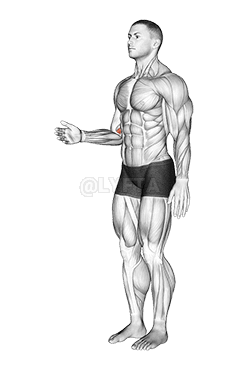
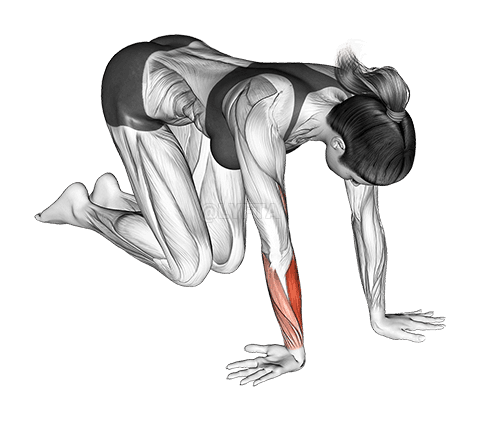
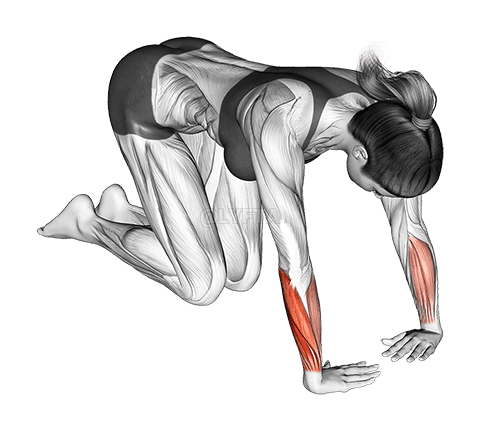
- Then, with your other hand, gently press down on the extended hand, bending it towards the floor until you feel a stretch in your forearm.
- Hold this position for about 20-30 seconds to allow the muscles to relax and stretch.
- Slowly release the pressure and allow your hand to return to its original position.
- Repeat this process for a few times, and then switch to the other arm.
Tips for Performing Forearm Pronator Stretch
Form reminders that keep range of motion and control in check once the basic pattern feels stable.
- Controlled Movement: Rotate your arm so that your palm faces downwards, then use your other hand to gently push down on the back of your hand. Avoid forcing the movement or pushing too hard, as this can cause muscle strain. The movement should be slow and controlled, allowing the forearm muscles to gradually stretch.
- Consistent Duration: Hold the stretch for at least 20 to 30 seconds. A common mistake is not holding the stretch long enough for it to be effective. The longer you can comfortably hold the stretch, the better it is for flexibility and mobility.
- Regular Repetitions: For the best results, perform the stretch regularly. Ideally, you should do it 2-3 times per day, especially if you are involved
Can beginners do the Forearm Pronator Stretch?
A short framing note on whether this pattern suits newer lifters before you load it heavily.
Yes, beginners can do the Forearm Pronator Stretch exercise. It's a simple exercise that can help increase flexibility and range of motion in the wrists and forearms. However, like any exercise, it's important to start slow and gradually increase intensity to avoid injury. If you feel any pain while doing the exercise, stop immediately and consult with a fitness professional or a healthcare provider.
What are common variations of the Forearm Pronator Stretch?
Compare these progressions when the main pattern is solid or you need a different stimulus with similar equipment.
- Wall-Assisted Forearm Pronator Stretch: In this version, you stand facing a wall and place your palm against it, then rotate your body away from the wall to stretch the forearm.
- Weighted Forearm Pronator Stretch: This involves holding a light weight in your hand with your arm extended out in front of you, then gently turning your hand so the palm faces down to stretch the forearm.
- Resistance Band Forearm Pronator Stretch: Here, you use a resistance band attached to a secure point, hold the other end in your hand with your arm extended, and rotate your forearm to face your palm down.
- Supine Forearm Pronator Stretch: This variation is performed lying down, with your arm extended upwards and your other hand gently pressing
Related Exercises
Similar library demos that share muscle or equipment focus so you can compare form cues and programming options.