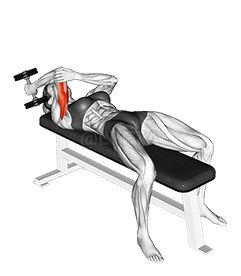
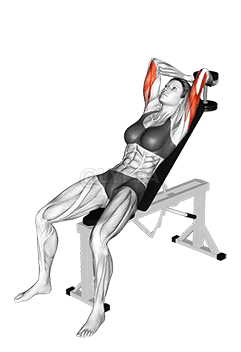
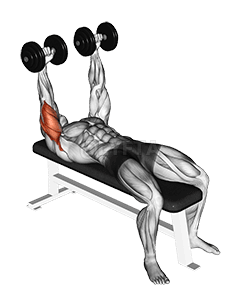
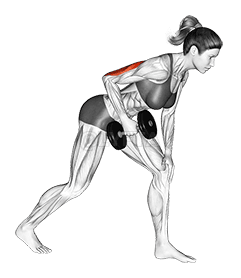
Dumbbell Seated Kickback
Dumbbell Seated Kickback demonstration
Watch the demo so setup and tempo are clear before you follow the step-by-step cues.
Performing the: A Step-by-Step Tutorial Dumbbell Seated Kickback
Work through the cues in order so setup, bracing, and reps stay consistent before you add load.
- Lean forward slightly from your waist, keeping your back straight, and bend your elbows to a 90-degree angle, bringing the dumbbells up to your sides.
- Keeping your upper arms stationary, extend your forearms back until they are parallel with the ground, squeezing your triceps as you do so.
- Hold this position for a moment and feel the contraction in your triceps.
- Gradually lower the dumbbells back to the starting position, ensuring you maintain control of the weights throughout the movement.
Tips for Performing Dumbbell Seated Kickback
Form reminders that keep range of motion and control in check once the basic pattern feels stable.
- Proper Positioning: Hold a dumbbell in each hand and bend your elbows at a 90-degree angle, keeping your upper arms close to your body. This is your starting position. Make sure not to let your elbows move away from your sides during the exercise, as this can put unnecessary strain on your shoulders.
- Controlled Movement: Extend your arms behind you until they are fully extended, then slowly return to the starting position. This movement should be controlled and deliberate, not rushed or jerky. A common mistake is to use momentum to swing the weights, which reduces the effectiveness of the exercise and increases the risk of injury.
- Appropriate Weight: Choose
Can beginners do the Dumbbell Seated Kickback?
A short framing note on whether this pattern suits newer lifters before you load it heavily.
Yes, beginners can perform the Dumbbell Seated Kickback exercise. However, it is important to start with light weights and focus on form to avoid injury. As with any new exercise, it may be beneficial to have a trainer or experienced individual demonstrate the exercise first. Always remember to warm up before starting any exercise routine.
What are common variations of the Dumbbell Seated Kickback?
Compare these progressions when the main pattern is solid or you need a different stimulus with similar equipment.
- Dumbbell Kickback with Resistance Band: This variation involves using a resistance band along with the dumbbell to add extra tension and challenge to the exercise.
- Single-Arm Dumbbell Kickback: This variation focuses on one arm at a time, which can help to address any imbalances in strength.
- Incline Bench Dumbbell Kickback: For this variation, you perform the exercise on an incline bench which alters the angle of the movement, targeting different parts of the tricep muscle.
- Dumbbell Kickback on Stability Ball: This variation involves performing the exercise while seated on a stability ball, which adds an element of balance and core engagement to the workout.
Related Exercises
Similar library demos that share muscle or equipment focus so you can compare form cues and programming options.