Dumbbell Reverse Bench Press
Dumbbell Reverse Bench Press demonstration
_Chest_small.png&w=3840&q=75)
Performing the: A Step-by-Step Tutorial Dumbbell Reverse Bench Press
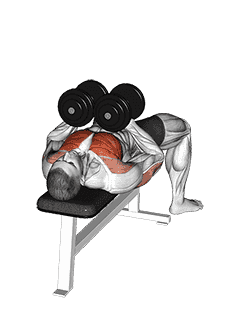
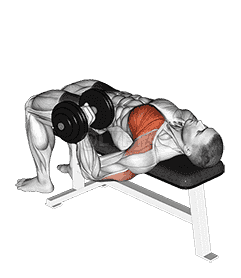
- Slowly lie back on the bench, bringing the dumbbells to the sides of your chest, keeping your elbows at a 90-degree angle.
- Push the dumbbells up and away from your chest, extending your arms fully but without locking your elbows, while still keeping the palms facing each other.
- Pause for a second at the top of the movement, then slowly lower the dumbbells back down to the sides of your chest.
- Repeat this movement for your desired number of repetitions, making sure to maintain control of the dumbbells throughout the entire exercise.
Tips for Performing Dumbbell Reverse Bench Press
- Controlled Movement: Avoid the common mistake of dropping your arms too quickly or pushing the dumbbells up too fast. Instead, focus on slow, controlled movements. Lower the dumbbells until your arms are at a 90-degree angle, then push them back up without locking your elbows. This will help to maximize muscle engagement and reduce the risk of injury.
- Appropriate Weight: Another common mistake is using dumbbells that are too heavy. This can lead to poor form and potential injury. Start with a weight that you can lift for 10 to 12 reps with good form, and gradually increase as your strength improves.
- Breathing
Can beginners do the Dumbbell Reverse Bench Press?
Yes, beginners can perform the Dumbbell Reverse Bench Press exercise, but it's important to start with light weights to avoid injury. This exercise is a variation of the traditional bench press and targets the upper body muscles, including the chest, shoulders, and triceps. It's crucial to learn the correct form and technique to ensure effectiveness and safety. It may be beneficial for beginners to have a personal trainer or experienced gym-goer supervise their initial attempts to ensure proper form.
What are common variations of the Dumbbell Reverse Bench Press?
- The Decline Dumbbell Bench Press: This is performed on a decline bench, which emphasizes the lower part of the chest muscles.
- The Dumbbell Bench Press with Neutral Grip: This variation involves holding the dumbbells with a neutral (palms facing each other) grip, which can help to engage the triceps more.
- The Single-Arm Dumbbell Bench Press: This variation involves pressing one dumbbell at a time, which can help to improve balance and unilateral strength.
- The Close-Grip Dumbbell Bench Press: This variation involves holding the dumbbells close together, which places more emphasis on the triceps and the inner chest muscles.