Skip to content

Dumbbell Rear Fly

Dumbbell Rear Fly demonstration

Performing the: A Step-by-Step Tutorial Dumbbell Rear Fly

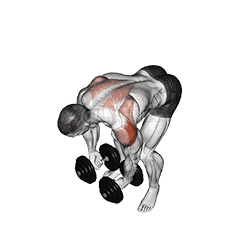
  • Lean forward at your hips until your torso is almost parallel to the floor, keeping your back straight and your core engaged.
  • Extend your arms below your chest, keeping a slight bend in your elbows and the dumbbells parallel to each other.
  • Slowly raise the weights out to the sides, keeping your elbows slightly bent, until your arms are parallel to the floor.
  • Lower the dumbbells back to the starting position in a controlled manner to complete one repetition of the exercise.

Tips for Performing Dumbbell Rear Fly

  • **Controlled Movement:** Avoid the common mistake of using momentum to lift the weights. Instead, focus on slow, controlled movements. Raise the dumbbells to your sides until they're level with your shoulders, then lower them back down. This will help to engage the muscles properly and prevent injuries.
  • **Right Weight Selection:** Don't use weights that are too heavy. This is a common mistake that can lead to improper form and potential injury. If you can't perform the exercise with proper form, then the weights are too heavy. Start with lighter weights and gradually increase as your strength improves.
  • **Elbow Position:** Keep a

Can beginners do the Dumbbell Rear Fly?

Yes, beginners can do the Dumbbell Rear Fly exercise. However, it's important to start with light weights and focus on form to avoid injury. It's also beneficial to have a trainer or experienced individual provide guidance to ensure the exercise is being done correctly. This exercise targets the rear deltoids, which are part of the shoulder muscles, and it's a good way to build upper body strength.

What are common variations of the Dumbbell Rear Fly?

  • The Seated Dumbbell Rear Fly variation requires you to sit on a bench with your chest against your knees, focusing more on the middle and lower traps.
  • The One-Arm Dumbbell Rear Fly variation allows you to focus on each side of your back individually, promoting a more balanced muscle development.
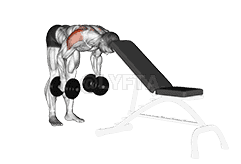
  • The Bent Over Dumbbell Rear Fly variation involves bending over at the waist while standing, which engages your core and lower back muscles more.
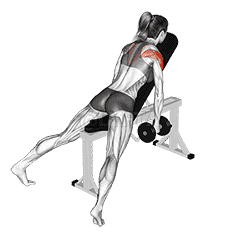
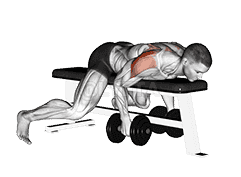
  • The Lying Face Down Dumbbell Rear Fly variation requires you to lie face down on a bench, which can help to isolate the rear deltoids and upper back muscles.