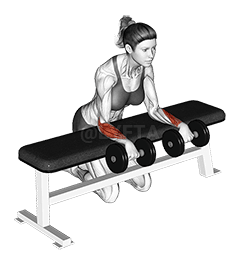
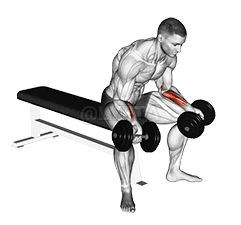
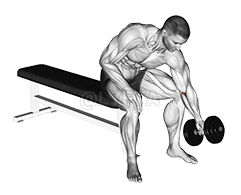
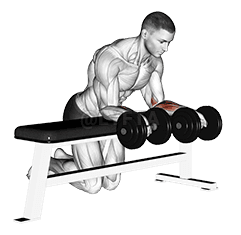
Dumbbell Lying Pronation
Dumbbell Lying Pronation demonstration
Watch the demo so setup and tempo are clear before you follow the step-by-step cues.
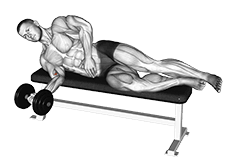
Performing the: A Step-by-Step Tutorial Dumbbell Lying Pronation
Work through the cues in order so setup, bracing, and reps stay consistent before you add load.
- Extend your arms above your chest, palms facing each other, keeping a slight bend in your elbows to avoid strain.
- Slowly rotate your wrists so that your palms face upwards, this is the pronation part of the exercise.
- Hold this position for a moment to maximize the tension in the forearms, then rotate your wrists to return to the starting position.
- Repeat this movement for the desired number of repetitions, ensuring to control the movement and keep your arms steady throughout.
Tips for Performing Dumbbell Lying Pronation
Form reminders that keep range of motion and control in check once the basic pattern feels stable.
- Proper Grip: Hold the dumbbell in your hand with your palm facing down (pronated grip). Your grip should be firm but not overly tight. A common mistake is to grip the dumbbell too tightly, which can lead to wrist strain.
- Controlled Movement: The movement should be slow and controlled. Avoid the common mistake of rushing through the exercise or using momentum to lift the weight. Instead, focus on using your forearm muscles to rotate the weight up and down.
- Keep Your Arm Straight: Your arm should remain straight and close to your body throughout the exercise. Avoid bending your elbow or allowing your arm to drift away from your body, as this can lead to shoulder
Can beginners do the Dumbbell Lying Pronation?
A short framing note on whether this pattern suits newer lifters before you load it heavily.
Yes, beginners can do the Dumbbell Lying Pronation exercise. However, it's important to start with a light weight to ensure proper form and avoid injury. This exercise is great for improving shoulder stability and mobility. It's always recommended to have a fitness trainer or an experienced person guide you through the exercise initially to ensure you are doing it correctly.
What are common variations of the Dumbbell Lying Pronation?
Compare these progressions when the main pattern is solid or you need a different stimulus with similar equipment.
- Dumbbell Standing Pronation: This variation involves standing up straight, holding the dumbbell at shoulder level, and then rotating the forearm to face downwards.
- Dumbbell Lying Supination: This is the opposite of the pronation where instead of turning your palms down, you turn them up while lying down.
- Dumbbell Pronation with Resistance Bands: In this version, you attach resistance bands to the dumbbells for added tension and challenge during the pronation.
- Alternating Dumbbell Lying Pronation: Instead of rotating both arms at the same time, you alternate between the left and right, which can help focus on individual arm strength and coordination.
Related Exercises
Similar library demos that share muscle or equipment focus so you can compare form cues and programming options.