Dumbbell Front Rack Lunge
Dumbbell Front Rack Lunge demonstration
Watch the demo so setup and tempo are clear before you follow the step-by-step cues.
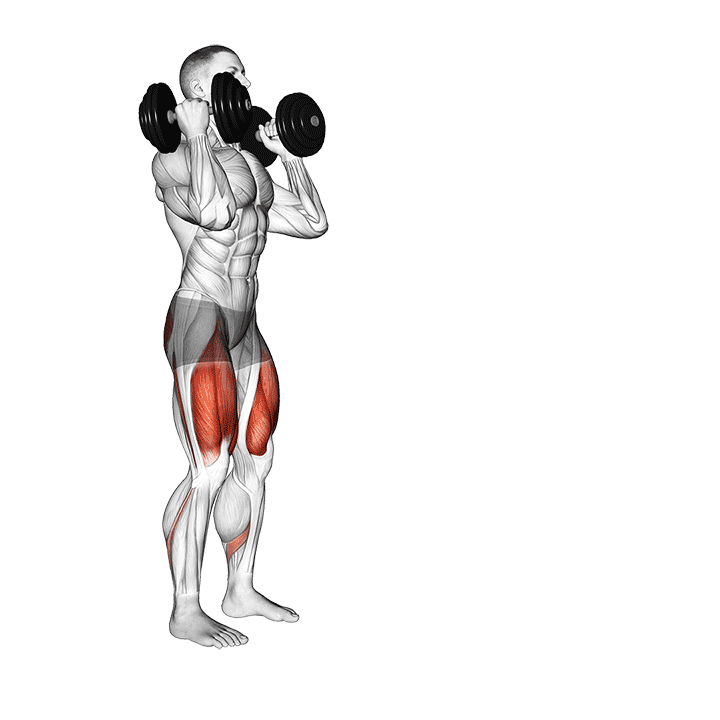
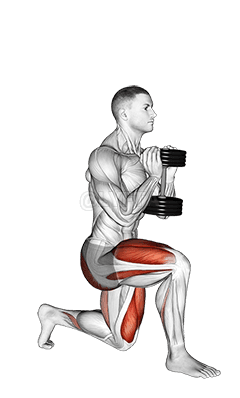
Performing the: A Step-by-Step Tutorial Dumbbell Front Rack Lunge
Work through the cues in order so setup, bracing, and reps stay consistent before you add load.
- Engage your core and take a big step forward with your right foot, lowering your body until your right knee is bent at a 90-degree angle.
- As you lunge, keep your elbows up and the dumbbells at shoulder level.
- Push off your right foot and return to the starting position, keeping the dumbbells at shoulder level.
- Repeat the lunge with your left foot, and continue alternating sides for the desired number of repetitions.
Tips for Performing Dumbbell Front Rack Lunge
Form reminders that keep range of motion and control in check once the basic pattern feels stable.
- Avoid Overextending: When stepping forward, make sure your knee does not go past your toes. This is a common mistake that can lead to knee injuries. Instead, focus on keeping your knee directly above your ankle.
- Engage Your Core: Another common mistake is not engaging the core. Keeping your core engaged throughout the exercise will help maintain balance and stability, and also work your abdominal muscles.
- Correct Weight Selection: Start with lighter weights to ensure you can perform the exercise with the
Can beginners do the Dumbbell Front Rack Lunge?
A short framing note on whether this pattern suits newer lifters before you load it heavily.
Yes, beginners can do the Dumbbell Front Rack Lunge exercise. However, it's important to start with lighter weights and focus on form and balance before increasing the weight. It's also recommended to have a trainer or experienced person guide you initially to ensure you are doing the exercise correctly and to avoid injury.
What are common variations of the Dumbbell Front Rack Lunge?
Compare these progressions when the main pattern is solid or you need a different stimulus with similar equipment.
- Reverse Dumbbell Lunge: Instead of stepping forward, you step backward, which can help to put less strain on your knees while still working your lower body muscles.
- Dumbbell Walking Lunges: In this variation, instead of lunging in place, you move forward with each lunge, adding an element of balance and coordination to the exercise.
- Dumbbell Lunge with Overhead Press: Adding an overhead press to your lunge works your shoulders and arms in addition to your lower body.
- Dumbbell Curtsy Lunge: This variation involves stepping your foot behind and across your body, which targets your glutes and hips in a different way than traditional lunges.
Related Exercises
Similar library demos that share muscle or equipment focus so you can compare form cues and programming options.