Dumbbell Drag Bicep Curl
Dumbbell Drag Bicep Curl demonstration
Watch the demo so setup and tempo are clear before you follow the step-by-step cues.
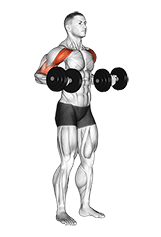
Performing the: A Step-by-Step Tutorial Dumbbell Drag Bicep Curl
Work through the cues in order so setup, bracing, and reps stay consistent before you add load.
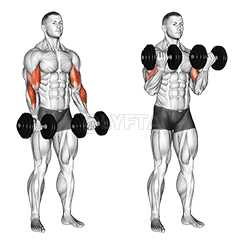
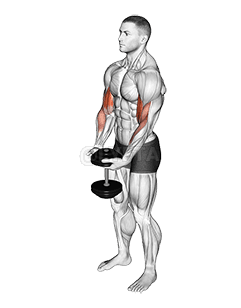
- Keep your elbows close to your torso at all times, curl the weights while contracting your biceps as you breathe out. Only the forearms should move, while the upper arms remain stationary.
- Continue the movement until your biceps are fully contracted and the dumbbells are at shoulder level. Hold the contracted position for a brief pause as you squeeze your biceps.
- Slowly begin to bring the dumbbells back to the starting position as your breathe in.
- Repeat for the recommended amount of repetitions.
Tips for Performing Dumbbell Drag Bicep Curl
Form reminders that keep range of motion and control in check once the basic pattern feels stable.
- Avoid Momentum: A common mistake is using momentum to lift the dumbbells, which can lead to potential injuries and less effective workouts. Instead, control the movement throughout the entire exercise, lifting and lowering the weights in a slow, controlled manner.
- Full Range of Motion: To get the most out of the Dumbbell Drag Bicep Curl, ensure you're using a full range of motion. This means fully extending your arms at the bottom of the movement and curling the dumbbells all the way up to your shoulders at the top. Avoid the mistake of partial reps, which can limit your results.
Can beginners do the Dumbbell Drag Bicep Curl?
A short framing note on whether this pattern suits newer lifters before you load it heavily.
Yes, beginners can certainly do the Dumbbell Drag Bicep Curl exercise. However, they should start with a lighter weight to ensure they are using proper form and not straining their muscles. It's also recommended to have a trainer or experienced individual supervise or guide them through the exercise to ensure they are doing it correctly. Always remember that the key to effective strength training is not about lifting the heaviest weights, but about performing exercises with proper form.
What are common variations of the Dumbbell Drag Bicep Curl?
Compare these progressions when the main pattern is solid or you need a different stimulus with similar equipment.
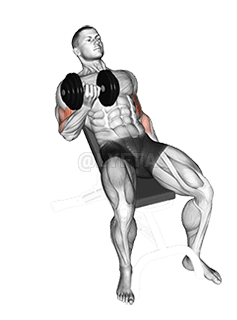
- Incline Dumbbell Curl: This variation involves sitting on an incline bench and curling the dumbbells, which puts more stress on the long head of the biceps and provides a greater stretch at the bottom of the movement.
- Preacher Curl: This variation uses a preacher bench to isolate the biceps by preventing your shoulders from moving, ensuring the biceps do all the work.
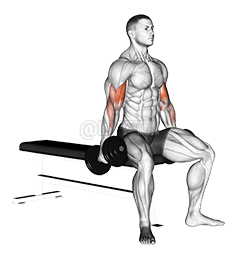
- Concentration Curl: This variation involves sitting on a bench with your elbow resting on your inner thigh, which isolates the biceps and prevents other muscles from assisting in the lift.
- Standing Resistance Band Bicep Curl: This variation replaces the dumbbell with a resistance band, providing constant tension throughout the entire movement and targeting the biceps in
Related Exercises
Similar library demos that share muscle or equipment focus so you can compare form cues and programming options.