Dumbbell Bridge Bench Press
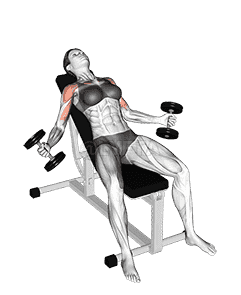
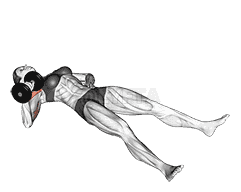
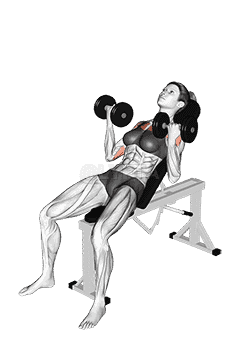
Dumbbell Bridge Bench Press demonstration

Performing the: A Step-by-Step Tutorial Dumbbell Bridge Bench Press
- Bend your knees and lift your hips off the bench, creating a bridge with your body. This is your starting position.
- Slowly lower the dumbbells towards your chest, keeping your elbows at a 90-degree angle.
- Press the dumbbells back up to the starting position, fully extending your arms without locking your elbows.
- Lower your hips back to the bench, returning to the starting position, and repeat the process for your desired number of repetitions.
Tips for Performing Dumbbell Bridge Bench Press
- **Avoid Hyperextending Your Back**: A common mistake is hyperextending the back while trying to lift the hips higher. This can put unnecessary stress on your back. Always make sure your body is in a straight line, and your core is engaged to support your lower back.
- **Controlled Movement**: Avoid the temptation to perform the exercise quickly. Instead, focus on slow, controlled movements.
Can beginners do the Dumbbell Bridge Bench Press?
Yes, beginners can do the Dumbbell Bridge Bench Press exercise. However, it's important to start with a light weight to ensure proper form and avoid injury. As with any exercise, beginners should take it slow and gradually increase the weight as they get stronger. It might also be beneficial to have a personal trainer or experienced gym-goer supervise at first to ensure the exercise is being done correctly.
What are common variations of the Dumbbell Bridge Bench Press?
- Decline Dumbbell Bench Press: Performed on a decline bench, this variation primarily targets the lower part of the chest muscles.
- Close Grip Dumbbell Bench Press: This variation involves holding the dumbbells closer together, which targets the triceps and the inner chest muscles more.
- Single Arm Dumbbell Bench Press: This variation involves lifting one dumbbell at a time, which engages the core muscles more and helps improve balance and coordination.
- Dumbbell Bench Press with Twist: This variation involves twisting the wrists at the top of the lift, which targets the chest muscles from a different angle and engages the forearms more.