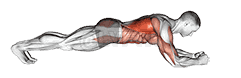
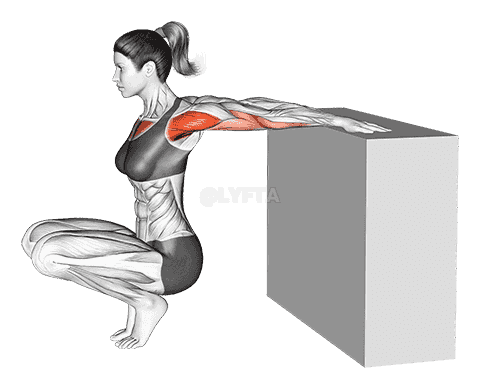
Deltoid
Deltoid demonstration

Performing the: A Step-by-Step Tutorial Deltoid
- Hold a dumbbell in each hand with your arms fully extended and your palms facing your body.
- Slowly raise the weights out to the sides, maintaining a slight bend in your elbows, until they reach shoulder height.
- Pause for a moment at the top of the movement, then slowly lower the weights back down to the starting position.
- Repeat this movement for the desired number of repetitions, ensuring to keep your movements controlled and steady throughout.
Tips for Performing Deltoid
- **Correct Weight:** Start with a low weight to ensure you can perform the exercise with correct form. Once you're comfortable, gradually increase the weight. Using a weight that's too heavy can lead to improper form and potential injury.
- **Controlled Movement:** Avoid fast, jerky movements. Instead, perform the exercise in a slow, controlled manner. This not only reduces the risk of injury but also ensures your muscles are fully engaged throughout the movement.
- **Avoid Overtraining:** The deltoids are a relatively small muscle group and can be easily overworked. Incorporate rest days into your routine and avoid training your deltoids on consecutive days. Overtraining can
Can beginners do the Deltoid?
Yes, beginners can definitely do deltoid exercises. However, it's important to start with light weights and focus on form to prevent injury. Some beginner-friendly deltoid exercises include shoulder presses, lateral raises, and front raises. As always, it's a good idea to consult with a fitness professional or a physical therapist to ensure you're doing the exercises correctly and safely.
What are common variations of the Deltoid?
- The Standing Military Press primarily focuses on the anterior deltoid.
- Lateral Raises are excellent for isolating the lateral head of the deltoid.
- The Bent-Over Lateral Raise is a great exercise to target the posterior deltoid.
- The Arnold Press, named after Arnold Schwarzenegger, works the entire deltoid muscle group.