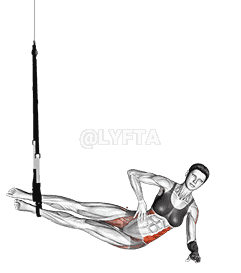
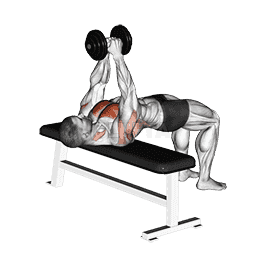
Cable Standing Lift
Cable Standing Lift demonstration
Performing the: A Step-by-Step Tutorial Cable Standing Lift
- Bend down and grab the rope with both hands, keeping your knees slightly bent and your back straight.
- Pull the cable up diagonally across your body toward the opposite shoulder, twisting your torso as you do so and keeping your arms close to your body.
- Once you've reached the top of the movement, pause for a moment, then slowly lower the cable back down to the starting position.
- Repeat this movement for the desired number of repetitions, then switch to the other side of your body and perform the same action.
Tips for Performing Cable Standing Lift
- **Correct Grip**: Ensure you have a firm grip on the cable handle. Your palms should be facing each other. A loose grip can lead to the cable slipping out of your hands, potentially causing injury.
- **Controlled Movements**: Another common mistake is performing the exercise too quickly. The cable standing lift should be done in a slow and controlled manner. Rushing through the movements can lead to improper form and increases the risk of injury.
- **Appropriate Weight**: Start with a weight that you can lift without straining. It's a common mistake to use a weight that's too heavy, which can lead to poor form and potential injury. As your strength improves, gradually increase the
Can beginners do the Cable Standing Lift?
Yes, beginners can do the Cable Standing Lift exercise. However, it's important to start with a lighter weight to ensure proper form and prevent injury. It's also beneficial to have a trainer or experienced individual demonstrate the exercise first to ensure the correct technique is used. As with any new exercise, beginners should take it slow and gradually increase weight and intensity as their strength and confidence grow.
What are common variations of the Cable Standing Lift?
- The Cable Standing Lift with Rotation: This variation adds a twist at the top of the lift, engaging the obliques and other core muscles to a greater degree.
- The Low-to-High Cable Standing Lift: This variation has you pulling the cable from a lower position and lifting it diagonally across your body to a higher position, increasing the range of motion and engaging more muscle groups.
- The High-to-Low Cable Standing Lift: This variation is the opposite of the low-to-high lift, starting from a high position and pulling the cable down and across your body, which can target different muscles.
- The Cable Standing Lift with Squat: This variation incorporates a squat into the movement, making it a full body exercise that also targets the lower body.