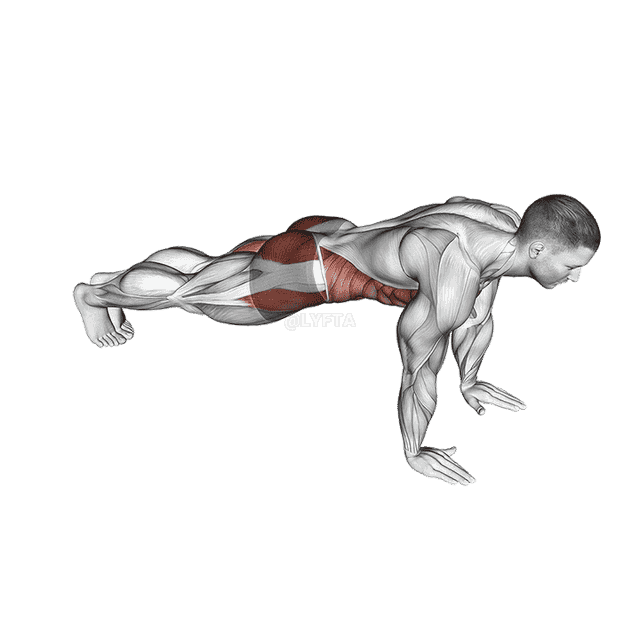
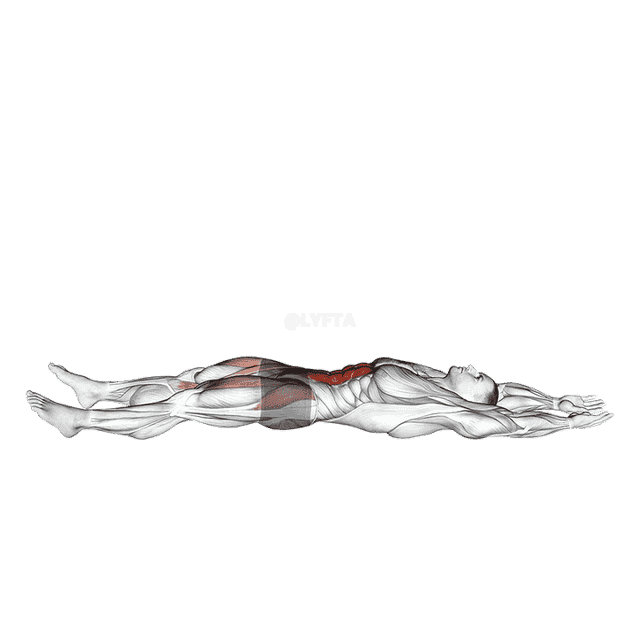
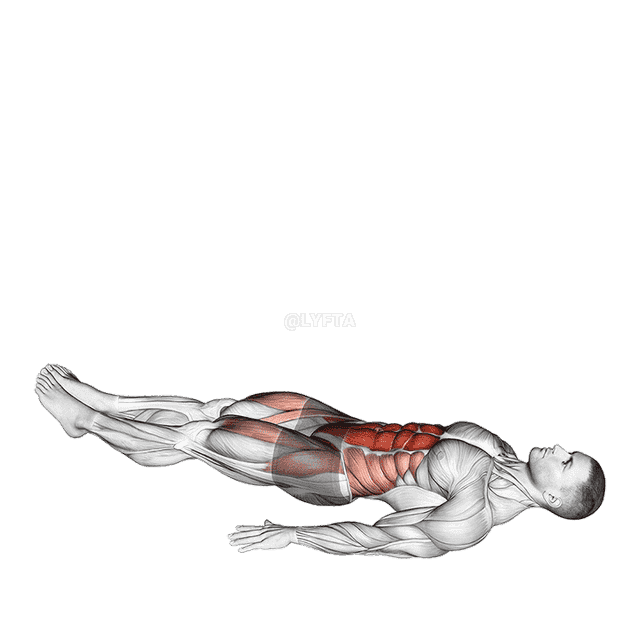
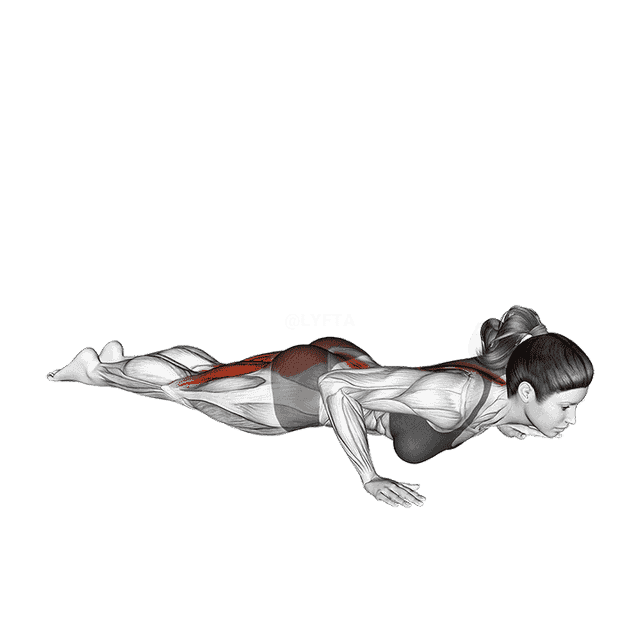
Bodyweight Windmill
Bodyweight Windmill demonstration
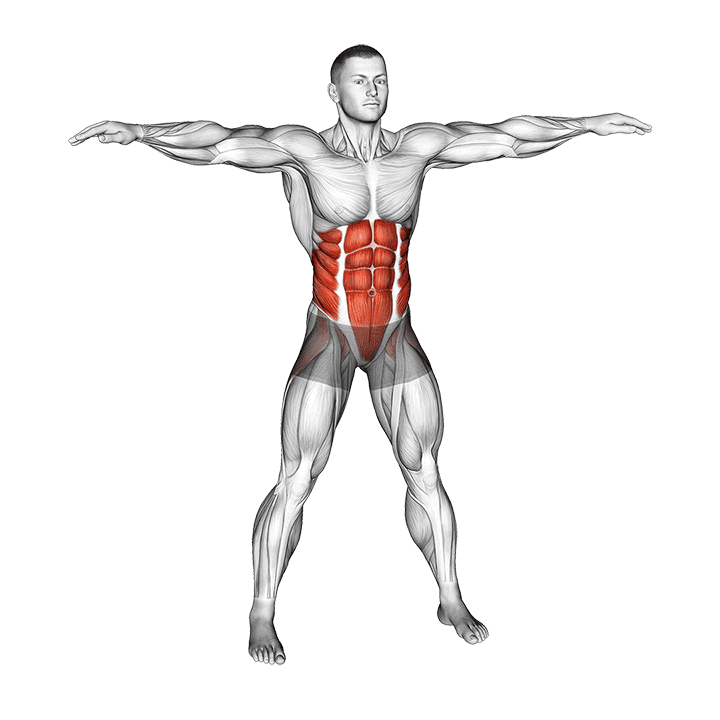
Performing the: A Step-by-Step Tutorial Bodyweight Windmill
- Rotate your right foot outward about 45 degrees and push your hips to the right side, keeping your left foot facing forward.
- Slowly begin to lower your torso to the left, keeping your left arm extended upward and your right arm reaching towards the floor.
- Continue to lower your torso until your right hand is as close to the floor as possible, keeping your eyes on your left hand.
- Slowly lift your torso back to the starting position, keeping your arms extended, then repeat the exercise on the other side.
Tips for Performing Bodyweight Windmill
- **Engage Your Core**: One common mistake people make is not engaging their core during the exercise. The bodyweight windmill is a core exercise, and you should feel your abs, obliques, and lower back working. By engaging your core, you help to stabilize your body and protect your spine, making the exercise more effective and safe.
- **Avoid Overextending**: A common mistake is overextending your body during the movement. This can lead to strain or injury. You should only bend
Can beginners do the Bodyweight Windmill?
Yes, beginners can do the Bodyweight Windmill exercise, but they should be careful to use proper form to avoid injury. It's recommended to start with a smaller range of motion and gradually increase as flexibility and strength improve. It may also be helpful to have a trainer or fitness professional guide them through the movements initially. As with any exercise, it's important to listen to your body and not push too hard if you feel pain.
What are common variations of the Bodyweight Windmill?
- Dumbbell Windmill: Similar to the kettlebell windmill, this variation uses a dumbbell instead, providing a different weight distribution.
- High Windmill: In this variation, both arms are extended above the head during the movement, increasing the challenge to your balance and core strength.
- Low Windmill: This variation involves keeping both hands low or on the ground, focusing more on the flexibility of the lower body.
- Single-leg Windmill: This advanced variation involves lifting one leg off the ground while performing the movement, increasing the challenge to your balance and core strength.