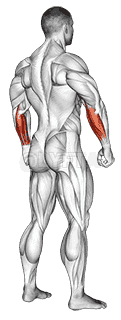
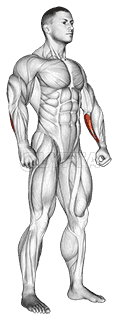
Body muscles
Body muscles demonstration

Tips for Performing Body muscles
- Proper Form: Always ensure you're maintaining the correct form while exercising. This will not only help you target the right muscles, but also prevent injuries. For instance, when doing squats, keep your back straight and avoid letting your knees go beyond your toes. A common mistake is to prioritize the number of repetitions or the weight being lifted over correct form.
- Progress Gradually: Increase the intensity of your workouts gradually. If you're lifting weights, start with a manageable weight and gradually add more as your strength increases. Do not rush to lift heavy weights. A common mistake is to increase the intensity too quickly, which can lead to injuries.
Can beginners do the Body muscles?
Yes, beginners can certainly do body muscle exercises. However, it's important to start with exercises suitable for their current fitness level to avoid injury. Here are a few beginner-friendly exercises: 1. Push-ups: This exercise works on your chest, shoulders, and triceps. Beginners can start by doing push-ups against a wall or on their knees until they build strength. 2. Squats: Squats are great for working out your lower body, including your thighs, hips, and buttocks. Beginners can start with chair squats. 3. Planks: Planks are excellent for strengthening your core muscles. Beginners can start with short intervals and gradually increase the duration. 4. Walking Lunges: This exercise is good for your legs and core muscles. Beginners can start without weights and add them as they gain strength. 5. Dumbbell Rows: This exercise works your upper back and biceps. Beginners can start with light weights. Remember, it's crucial to warm up before starting
What are common variations of the Body muscles?
- Smooth muscles, found in the walls of organs and structures such as the esophagus, stomach, intestines, bronchi, uterus, urethra, and blood vessels, control involuntary movements within the body.
- Cardiac muscles are found only in the heart, and their contraction and relaxation facilitate the pumping of blood throughout the body.
- The intrinsic muscles, found in the hands and feet, are responsible for fine motor movements, such as writing or manipulating small objects.
- The extrinsic muscles, located in the arms and legs, are responsible for larger, gross movements like running or lifting heavy objects.