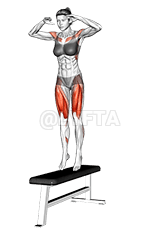
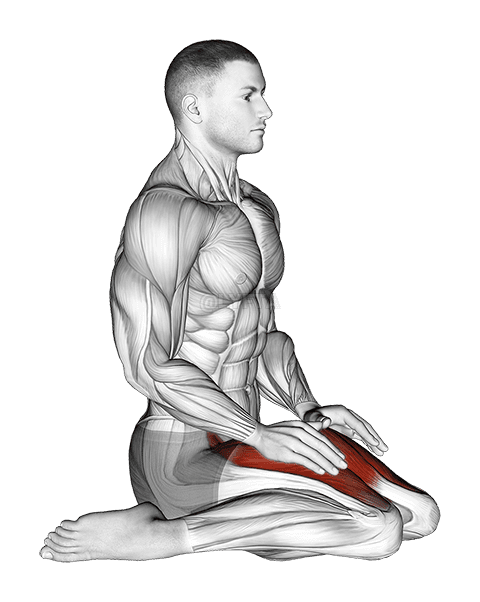
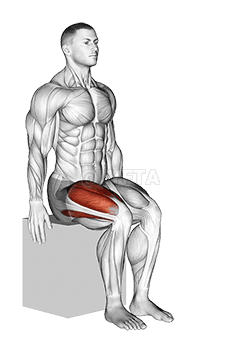
Bench Full Squat
Bench Full Squat demonstration
Watch the demo so setup and tempo are clear before you follow the step-by-step cues.
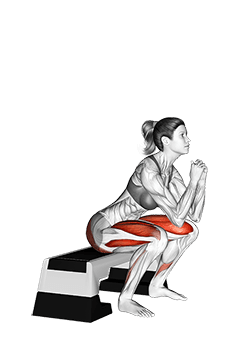
Performing the: A Step-by-Step Tutorial Bench Full Squat
Work through the cues in order so setup, bracing, and reps stay consistent before you add load.
- Stand up straight to lift the barbell off the rack and take a step or two back, positioning your feet shoulder-width apart, toes slightly pointed outwards.
- Slowly lower your body, bending at the hips and knees, until your thighs are parallel to the floor, keeping your back straight and chest up.
- Pause for a moment in the squat position, then push through your heels to return to the standing position, keeping the barbell stable throughout.
- Repeat this process for your desired number of repetitions, and when finished, carefully return the barbell to the rack.
Tips for Performing Bench Full Squat
Form reminders that keep range of motion and control in check once the basic pattern feels stable.
- Depth: Aim to lower your body until your thighs are at least parallel to the floor. If you can't go down that far, try to go as low as you can while keeping your feet flat on the floor. Avoid the mistake of not squatting low enough as it won't engage your muscles fully.
- Warm-Up: Always start your workout with a warm-up session to prepare your muscles for the intense workout. It reduces the risk of injury and improves your overall performance. A common mistake is skipping
Can beginners do the Bench Full Squat?
A short framing note on whether this pattern suits newer lifters before you load it heavily.
Yes, beginners can perform the Bench Full Squat exercise. However, it's important to start with lighter weights or even just bodyweight to ensure proper form and prevent injury. It's also recommended to have a trainer or experienced individual supervise to make sure the exercise is being done correctly.
What are common variations of the Bench Full Squat?
Compare these progressions when the main pattern is solid or you need a different stimulus with similar equipment.
- Goblet Squat: In this variation, you hold a kettlebell or dumbbell close to your chest, which can help to improve your form and balance.
- Overhead Squat: This squat variation requires you to hold a barbell overhead, which can help to improve your balance and work your shoulders and back.
- Box Squat: In this variation, you squat down until your buttocks touch a box or bench behind you, which can help to ensure you're squatting to the correct depth.
- Bulgarian Split Squat: This is a single-leg squat where one foot is elevated on a bench or box behind you, which can help to work your balance and coordination while also targeting your quads and glutes.
Related Exercises
Similar library demos that share muscle or equipment focus so you can compare form cues and programming options.