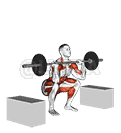
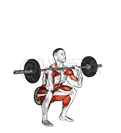
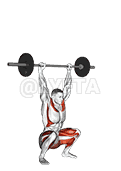
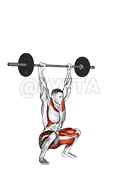
Barbell Clean Pull
Barbell Clean Pull demonstration

Performing the: A Step-by-Step Tutorial Barbell Clean Pull
- Bend your knees slightly and lean forward from your hips to grasp the barbell with an overhand grip, hands slightly wider than shoulder-width apart.
- Keep your back straight and pull the barbell up to your mid-thigh level, driving through your heels and extending your hips and knees.
- As the barbell reaches its highest point, quickly shrug your shoulders up without letting your elbows bend.
- Lower the barbell back to the ground, maintaining control, to complete one rep and prepare for the next.
Tips for Performing Barbell Clean Pull
- Controlled Movement: The barbell clean pull is an explosive movement, but it should also be controlled. The barbell should be lifted and lowered in a controlled manner to prevent injury and to ensure the correct muscles are being worked. Common Mistake: Many people jerk the weight up and drop it down quickly. This can
Can beginners do the Barbell Clean Pull?
Yes, beginners can do the Barbell Clean Pull exercise, but it's important to start with lighter weights and focus on form and technique. This exercise requires a certain level of strength and coordination, so it's often recommended to have a trainer or experienced person guide you initially. Always remember to warm up properly before starting any exercise to prevent injury.
What are common variations of the Barbell Clean Pull?
- The Power Clean Pull is a variation where you pull the barbell up to your chest level, and then quickly drop under the bar to catch it on your shoulders.
- The High Pull Clean is a variation where you pull the barbell up to your chin while keeping your elbows above the bar, focusing on the upper body strength.
- The Single Arm Dumbbell Clean Pull is a variation that is performed with a dumbbell, focusing on one arm at a time, which can improve unilateral strength and balance.
- The Block Clean Pull is performed with the barbell starting on blocks or plates to vary the height of the starting position, focusing on different phases of the pull.