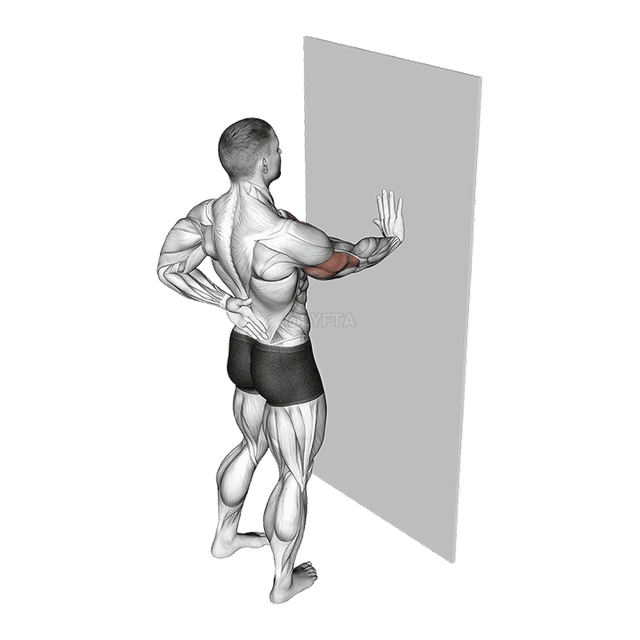
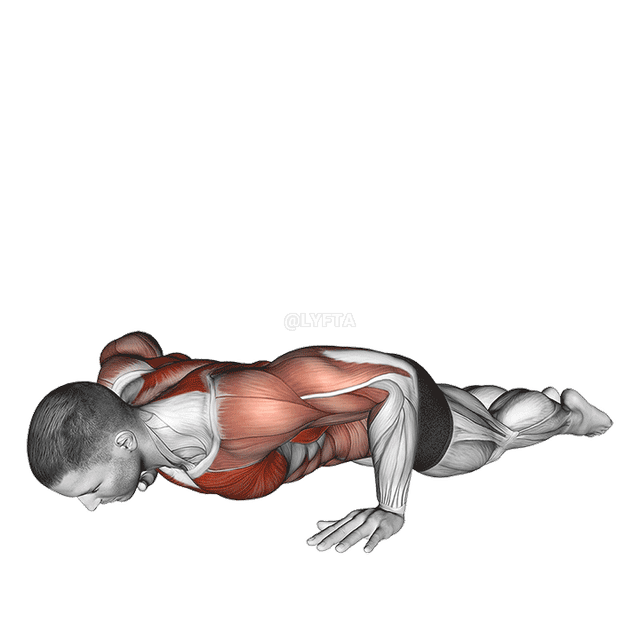
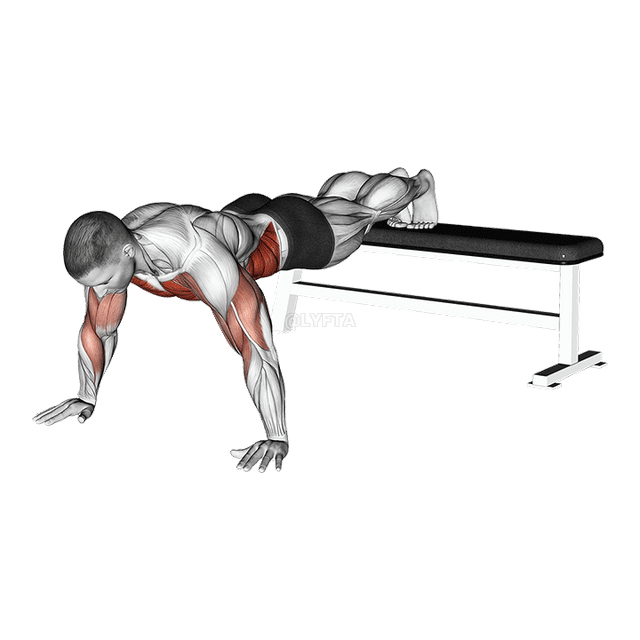
Arm Crossover
Arm Crossover demonstration
Watch the demo so setup and tempo are clear before you follow the step-by-step cues.
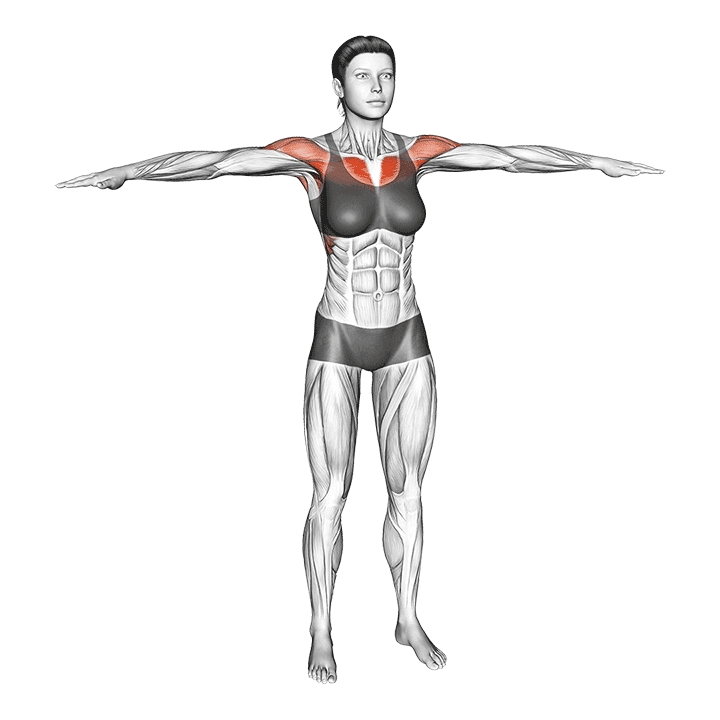
Performing the: A Step-by-Step Tutorial Arm Crossover
Work through the cues in order so setup, bracing, and reps stay consistent before you add load.
- Slowly bring your arms forward so that your hands cross over each other in front of your chest.
- Hold this position for a few seconds, feeling the stretch in your shoulders and upper back.
- Gradually move your arms back to the initial position, extending them out to your sides again.
- Repeat this process for a set number of repetitions, typically between 10 to 15 times, maintaining control and slow movement throughout the exercise.
Tips for Performing Arm Crossover
Form reminders that keep range of motion and control in check once the basic pattern feels stable.
- Controlled Movement: When crossing your arms, do so in a controlled manner. Avoid swinging your arms too quickly or forcefully, which can strain your shoulder muscles.
- Full Range of Motion: When you extend your arms out to the sides, make sure they're parallel to the floor. This ensures you're getting the full range of motion, which makes the exercise more effective.
- Keep Your Arms Straight: A common mistake is to bend the elbows while performing the exercise. Keep your arms as straight as possible to effectively engage the shoulder and chest muscles.
- Consistent Breathing: Don't hold your breath during the exercise. Inhale as you open your arms and exhale as you cross them. This helps maintain a steady rhythm and provides your muscles with the
Can beginners do the Arm Crossover?
A short framing note on whether this pattern suits newer lifters before you load it heavily.
Yes, beginners can definitely do the Arm Crossover exercise. It's a simple yet effective exercise to improve flexibility and strength in the chest and shoulders. However, like any other exercise, it's important to perform it correctly to avoid injury and maximize benefits. Beginners should start with light weights or even no weights at all, focusing on the movement and form. As they gain strength and flexibility, they can gradually increase the intensity.
What are common variations of the Arm Crossover?
Compare these progressions when the main pattern is solid or you need a different stimulus with similar equipment.
- The Seated Arm Crossover involves sitting on a chair and crossing your arms over your chest, pulling each arm towards your body to stretch your shoulders and upper back.
- The Overhead Arm Crossover is a variation where you cross one arm over your head and use the other hand to gently pull the elbow, stretching the triceps and shoulders.
- The Behind-the-Head Arm Crossover involves crossing one arm behind your head and using the other hand to gently pull the elbow, stretching the triceps and upper back.
- The Lying Down Arm Crossover involves lying flat on your back, extending your arms out to the sides, and then crossing them over your chest to stretch your chest and shoulder muscles.
Related Exercises
Similar library demos that share muscle or equipment focus so you can compare form cues and programming options.