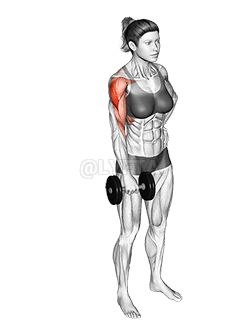
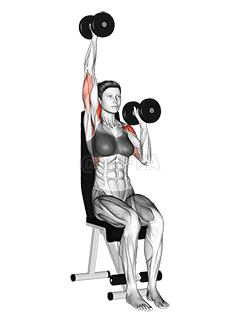
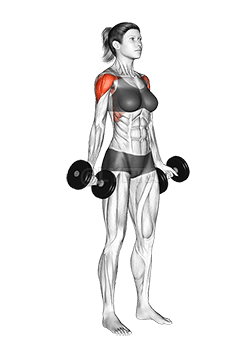
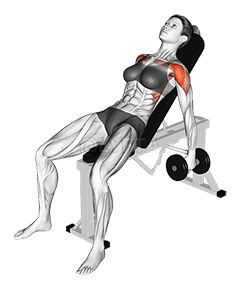
Dumbbell Seated Lateral Raise on Stability Ball
Dumbbell Seated Lateral Raise on Stability Ball demonstration
Watch the demo so setup and tempo are clear before you follow the step-by-step cues.
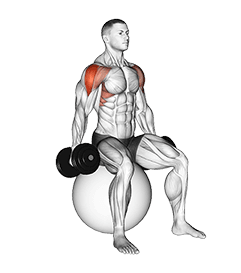
Performing the: A Step-by-Step Tutorial Dumbbell Seated Lateral Raise on Stability Ball
Work through the cues in order so setup, bracing, and reps stay consistent before you add load.
- Keep your back straight and engage your core, ensuring your shoulders are relaxed and not hunched.
- Slowly lift the dumbbells out to your sides to shoulder height, keeping a slight bend in your elbows and maintaining the palms of your hands facing the floor.
- Pause for a moment at the top of the movement, then slowly lower the dumbbells back down to the starting position.
- Repeat this motion for the desired number of reps while making sure to keep your movements controlled and avoid using momentum to lift the weights.
Tips for Performing Dumbbell Seated Lateral Raise on Stability Ball
Form reminders that keep range of motion and control in check once the basic pattern feels stable.
- Controlled Movement: Avoid jerky movements. Lift the dumbbells smoothly and slowly to the side until they are at shoulder height, then lower them back down in a controlled manner. Rushing through the exercise or using momentum to lift the weights can lead to injury and reduces the effectiveness of the workout.
- Right Weight: Use a weight that is challenging but manageable. If the dumbbell is too heavy, you may struggle to maintain form and control, increasing the risk of injury. If it's too light, you won't get the most out of the exercise.
- Avoid Overextending: Don't lift the dumbbells above shoulder height. Overextending the range of motion can put excessive strain on the shoulder
Can beginners do the Dumbbell Seated Lateral Raise on Stability Ball?
A short framing note on whether this pattern suits newer lifters before you load it heavily.
Yes, beginners can do the Dumbbell Seated Lateral Raise on Stability Ball exercise. It's a great exercise for strengthening the shoulders and improving overall stability. However, beginners should start with light weights to avoid injury, and they should also ensure they have the correct form to prevent any strains or sprains. It's also important to maintain control of the weights at all times, as sudden movements can cause injury. If unsure, it's a good idea to seek advice from a fitness professional.
What are common variations of the Dumbbell Seated Lateral Raise on Stability Ball?
Compare these progressions when the main pattern is solid or you need a different stimulus with similar equipment.
- Dumbbell Seated Lateral Raise on Bench: This variation involves performing the exercise while seated on a regular gym bench, providing more stability than the stability ball.
- Dumbbell Seated Lateral Raise with Resistance Bands: In this variation, resistance bands are used along with the dumbbells to increase the intensity of the workout.
- Dumbbell Seated Front Raise on Stability Ball: Rather than lifting the dumbbells to the side, you lift them in front of you, targeting a slightly different set of shoulder muscles.
- Dumbbell Seated Lateral Raise on Stability Ball with Twist: This version adds a torso twist at the top of the movement to engage your obliques and other core muscles.
Related Exercises
Similar library demos that share muscle or equipment focus so you can compare form cues and programming options.