Backwards Run
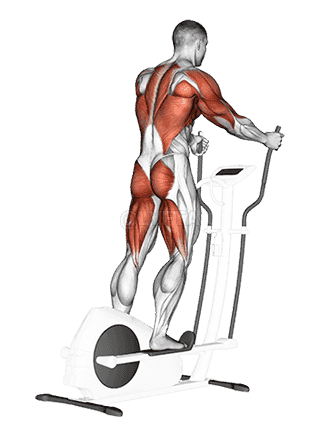
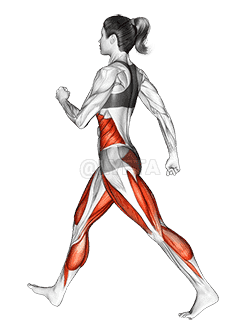
Backwards Run demonstration

Performing the: A Step-by-Step Tutorial Backwards Run
- Begin by jogging slowly in place, then gradually start to move backward, ensuring you're lifting your knees high and swinging your arms in rhythm with your steps.
- Keep your back straight and your head facing forward as you run, to avoid any injuries.
- Increase your speed over time, but be aware of your surroundings to avoid tripping or running into something.
- Gradually slow down to a stop, turn around, and repeat the process for several sets.
Tips for Performing Backwards Run
- Gradual Progression: A common mistake is to start running backwards at full speed, which can lead to falls and injuries. Begin slowly, gradually increasing your speed as you become more comfortable and confident with the movement.
- Maintain Good Posture: Keep your back straight, chest up, and look over your shoulder to see where you're going. Leaning too far forward or backward can throw off your balance and lead to injuries.
- Use a Spotter or Open Space: Especially when you're new to backwards running, having a spotter or running in an open, obstacle-free space can prevent accidents. Since your vision is limited when running backward, it's easy to trip over an unseen object.
- Incorporate
Can beginners do the Backwards Run?
Yes, beginners can do the Backwards Run exercise. However, it's important to start slowly and gradually increase the speed and duration to avoid injury. This exercise helps to improve balance, coordination, and strength in the lower body. It's also a good idea to do this exercise in a safe, open space to avoid tripping or running into anything.
What are common variations of the Backwards Run?
- The Backward Sprint, which involves running backwards at high speed, often used in athletic training for enhancing agility.
- The Retro Walk, a slower variation where the individual walks backwards, usually for warm-up or cool-down purposes.
- The Backward Lunge Run, where the runner performs lunges while moving backwards, adding an extra strength workout to the run.
- The Zigzag Backwards Run, where the runner moves backwards in a zigzag pattern, challenging their spatial awareness and agility.