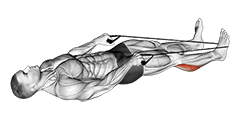
Posterior Tibialis Stretch
Posterior Tibialis Stretch demonstration
Watch the demo so setup and tempo are clear before you follow the step-by-step cues.
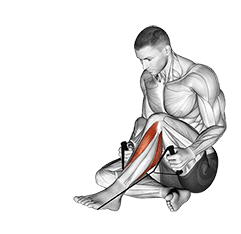
Performing the: A Step-by-Step Tutorial Posterior Tibialis Stretch
Work through the cues in order so setup, bracing, and reps stay consistent before you add load.
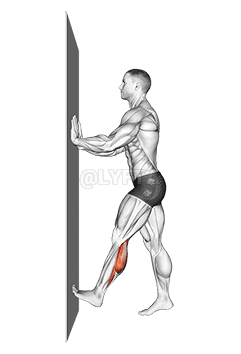
- Cross your affected foot behind your unaffected foot, keeping your toes pointing forward.
- Slowly bend your unaffected knee, leaning your body slightly forward, while keeping your affected foot's heel on the ground.
- You should start feeling a stretch in the arch of your foot and your calf muscle.
- Hold this stretch for about 30 seconds, then slowly return to an upright position and repeat the exercise 3-5 times.
Tips for Performing Posterior Tibialis Stretch
Form reminders that keep range of motion and control in check once the basic pattern feels stable.
- Correct Foot Placement: Another common mistake is improper foot placement. Ensure that the foot of your bent leg is placed on the outside of the knee of your straight leg. This helps to apply the right amount of pressure on the posterior tibialis muscle during the stretch.
- Gradual Stretching: A key technique for getting the most out of this exercise is to stretch gradually. Avoid rushing the stretch or forcing your leg into a position that feels uncomfortable. Instead, gently pull your foot towards your knee until you feel a stretch in your lower leg. Hold the stretch for 20-30 seconds and then release.
Can beginners do the Posterior Tibialis Stretch?
A short framing note on whether this pattern suits newer lifters before you load it heavily.
Yes, beginners can do the Posterior Tibialis Stretch exercise. However, it's important to start with a gentle stretch to avoid injury. As with any exercise, beginners should start slowly, pay attention to their body, and increase intensity gradually. It may also be helpful to have a trainer or physical therapist guide the exercise initially to ensure it is being done correctly.
What are common variations of the Posterior Tibialis Stretch?
Compare these progressions when the main pattern is solid or you need a different stimulus with similar equipment.
- Standing Posterior Tibialis Stretch: In this version, you stand and cross one foot behind the other, then bend the back knee while keeping the heel on the ground, feeling a stretch in the arch of the foot.
- Wall Posterior Tibialis Stretch: This involves standing close to a wall with your hands on the wall at chest level, then placing one foot behind the other and pressing the back heel into the floor to stretch the muscle.
- Step Posterior Tibialis Stretch: This variation requires you to stand on a step with your heels hanging off the edge and then to slowly lower your heels down, stretching the posterior tibialis muscle.
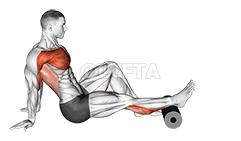
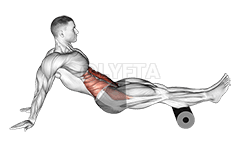
- Foam Roller Posterior Tibialis Stretch: This involves using a foam roller or a massage ball to apply pressure and roll
Related Exercises
Similar library demos that share muscle or equipment focus so you can compare form cues and programming options.